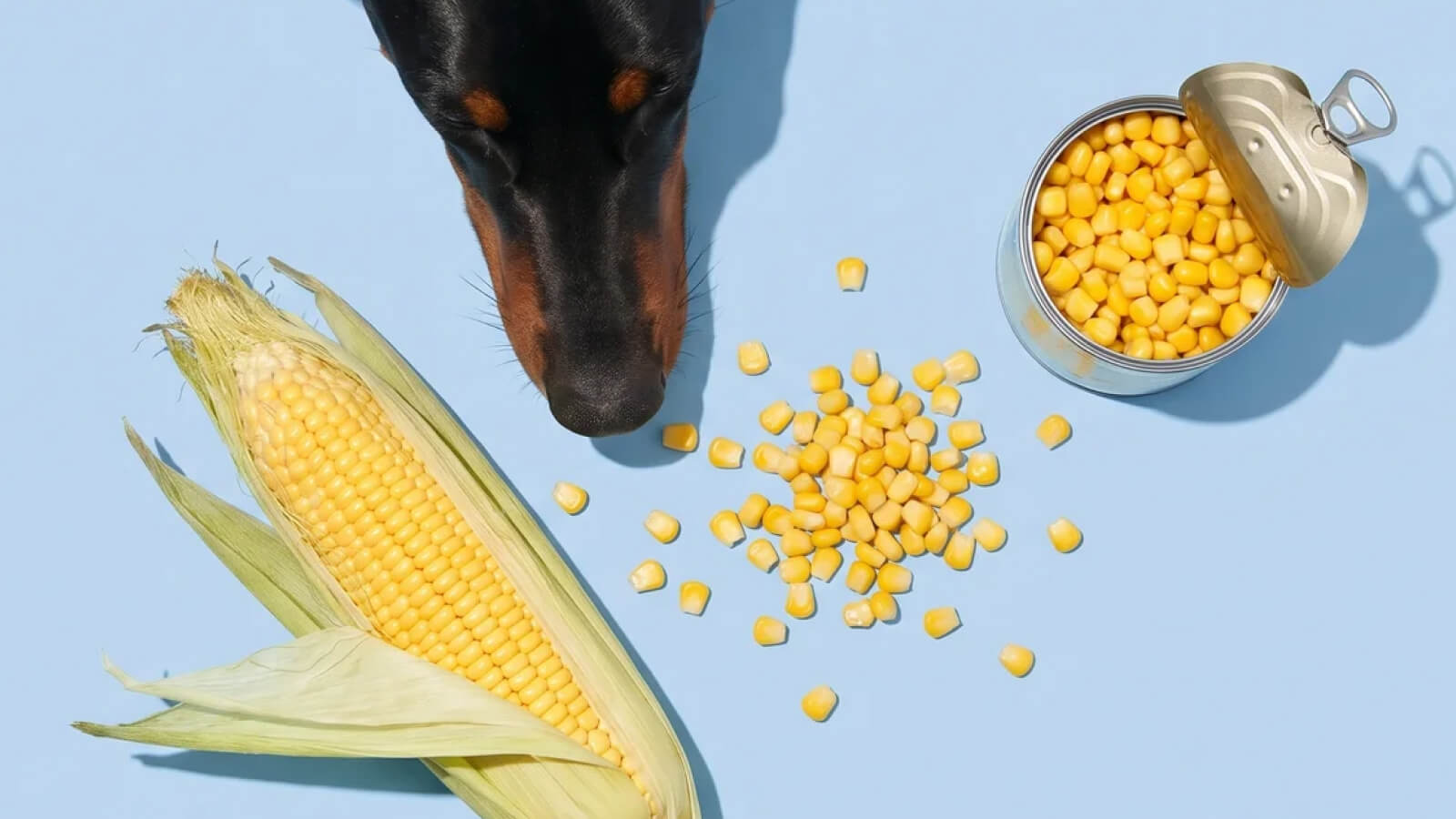



Can Dogs Eat Corn?
February 9, 2026

IN SHORT:
Corn kernels are safe for dogs when served plain and cooked, offering energy and nutrients as an occasional treat.
However, never give your dog corn cobs—they cause dangerous blockages requiring emergency surgery.
Stick to 1-2 tablespoons per 10kg body weight, limit to 2-3 times weekly, and introduce gradually to check tolerance.
You're enjoying corn on the cob at a summer barbecue when your Labrador sidles up with those pleading eyes. Before you share, you pause and wonder: is corn actually safe for dogs?
The answer is yes—corn kernels are safe and can even provide nutritional benefits—but there are important caveats every dog owner should know.
This comprehensive guide covers everything you need to know about feeding corn to your dog, from nutritional benefits and proper serving sizes to potential risks and safe preparation methods.
JOIN OUR FREE COMMUNITY
Built for dog owners who want better information, better products, and better experiences.
Is Corn Safe for Dogs?
Yes, corn is safe for dogs when prepared and served correctly. Despite persistent myths suggesting corn is merely "filler" with no nutritional value, this golden grain actually offers several benefits for our canine friends.
Corn is a complex carbohydrate that dogs can digest efficiently. While dogs are primarily carnivorous, they've evolved alongside humans for thousands of years and developed the ability to digest grains and starches.
That said, corn should always be served in moderation as an occasional treat rather than a dietary staple. The key considerations are:
- Form matters: Corn kernels are safe; corn cobs are dangerous
- Preparation is crucial: Cooked, plain corn only—no butter, salt, or seasonings
- Individual tolerance varies: Some dogs may have sensitivities or allergies
- Size-appropriate portions: Larger dogs can handle more than smaller breeds
Compared to other vegetables like carrots or green beans, corn is higher in calories and carbohydrates, making portion control especially important for weight management.
Nutritional Benefits of Corn for Dogs
Corn offers more than just empty calories. When incorporated sensibly into your dog's diet, it provides several valuable nutrients:
Digestible Energy
Corn is rich in complex carbohydrates that provide sustained energy. For active, working, or sporting dogs, these carbs can help fuel performance and support recovery. A 100-gram serving of sweet corn contains approximately 86 calories, primarily from digestible starches.
Essential Fatty Acids
Corn contains linoleic acid, an omega-6 fatty acid that dogs cannot produce on their own. This essential nutrient supports healthy skin and coat, immune function, and cellular health.
Antioxidants
Yellow corn is particularly rich in carotenoids—specifically lutein and zeaxanthin—which support eye health and combat oxidative stress. These antioxidants may help protect against age-related vision problems in senior dogs.
Vitamins and Minerals
Corn provides:
- Vitamin B complex: Supports energy metabolism and nervous system function
- Vitamin C: Boosts immune health (though dogs produce their own vitamin C)
- Magnesium: Essential for bone health and enzyme function
- Phosphorus: Works with calcium for strong bones and teeth
Dietary Fibre
The fibre in corn promotes healthy digestion and can help dogs feel fuller longer, which may assist with weight management when used strategically. One tablespoon of corn provides approximately 0.5 grams of fibre.
Important note on bioavailability: While corn contains these nutrients, dogs don't absorb them as efficiently as humans do due to differences in digestive tract length and enzyme production. This is why corn should complement—not replace—high-quality protein sources in your dog's diet.
Potential Risks and Concerns
While corn kernels are generally safe, several risks require your attention:
Corn Cob Danger: A Veterinary Emergency
This is the most serious risk. Corn cobs are indigestible and can cause life-threatening intestinal blockages. Dogs—particularly enthusiastic eaters—may swallow corn cobs whole or in large chunks. These blockages often require emergency surgery to remove.
Warning signs of intestinal obstruction:
- Vomiting (especially repeated vomiting)
- Loss of appetite
- Lethargy or weakness
- Abdominal pain or swelling
- Inability to defecate or unusual straining
- Drooling or gagging
If you suspect your dog has eaten a corn cob, contact your veterinarian or emergency vet immediately—even if symptoms haven't appeared yet.
Digestive Upset
Introducing corn too quickly or feeding excessive amounts can cause:
- Diarrhoea or loose stools
- Gas and bloating
- Stomach discomfort
- Vomiting
These issues are typically mild but can be uncomfortable for your dog. Dogs with sensitive stomachs may be more prone to digestive upset from corn.
Allergies and Food Sensitivities
While relatively uncommon, some dogs can develop allergies or sensitivities to corn. Symptoms may include:
- Itchy skin or excessive scratching
- Ear infections (recurring)
- Hot spots or skin rashes
- Gastrointestinal issues
- Paw licking or chewing
If you notice these signs after introducing corn, discontinue feeding it and consult your veterinarian about allergy testing.
Weight Gain and Caloric Density
Corn is more calorie-dense than many other vegetables. For dogs prone to obesity or those on calorie-restricted diets, corn should be limited or avoided. Excess weight contributes to joint problems, diabetes, heart disease, and reduced lifespan.
Special Populations
- Puppies: Can eat small amounts of corn once weaned, but growing puppies need primarily protein-rich foods for development
- Senior dogs: May have reduced digestive efficiency; smaller portions are advisable
- Diabetic dogs: Corn's high glycemic load can affect blood sugar; consult your vet before feeding
- Dogs with pancreatitis: Should avoid corn due to its fat content during flare-ups
Alternatives to Corn
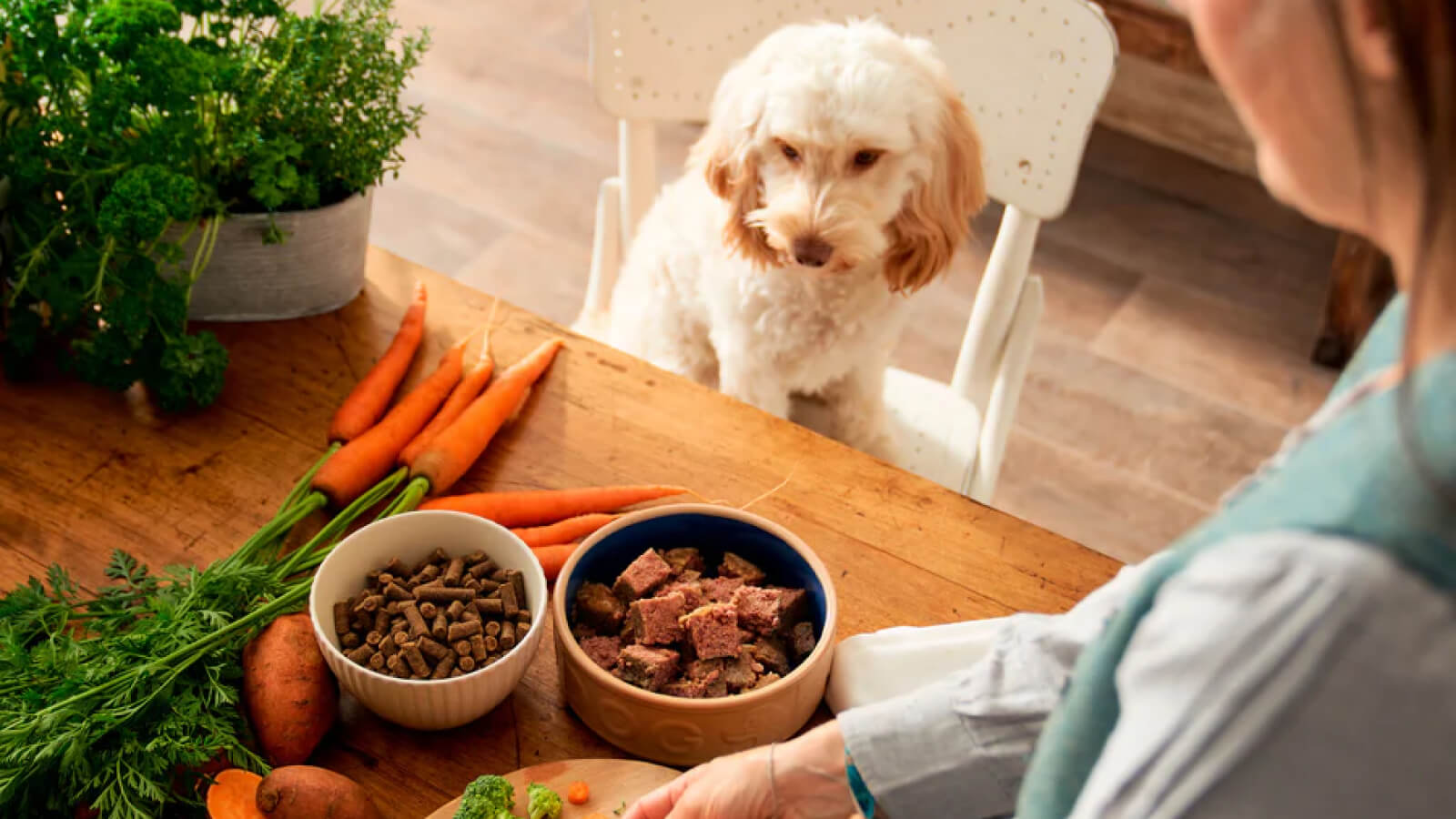
If you're looking for other safe vegetable options for your dog, consider these alternatives:
Green Beans
Lower in calories (31 calories per 100g vs. corn's 86), high in fibre, and packed with vitamins K and C. Excellent for weight management. Serve steamed or raw.
Carrots
Crunchy texture helps clean teeth, very low calorie (41 per 100g), rich in beta-carotene for eye health. Great for teething puppies when frozen.
Sweet Potato
Similar carbohydrate profile to corn but higher in fibre and vitamin A. More filling per calorie. Always serve cooked, never raw.
Peas
Good protein content for a vegetable (5g per 100g), contain vitamins A, K, and B vitamins. Watch portions as they're higher in natural sugars.
Each alternative has unique benefits, but all should follow the same 10% treat rule and be served plain without seasonings.
Bottom Line
Corn is safe and can be nutritious for dogs when served properly—cooked, plain, off the cob, and in appropriate portions. While it shouldn't replace high-quality protein in your dog's diet, occasional corn kernels can provide energy, essential fatty acids, and antioxidants as part of a varied treat rotation.
The most critical safety rule is this: never allow your dog access to corn cobs, which can cause life-threatening intestinal blockages. Beyond that, watch portion sizes to prevent weight gain, introduce corn gradually to assess individual tolerance, and always serve it plain without any seasonings or additives.
Every dog is unique. While corn is safe for most dogs, your individual pet may have sensitivities or health conditions that require dietary modifications. When in doubt, consult your veterinarian for personalised advice about incorporating new foods into your dog's diet.
Medical Disclaimer: This article is for informational purposes only and does not replace professional veterinary advice. Always consult your veterinarian before making significant changes to your dog's diet.
Frequently Asked Questions
Can puppies eat corn?
Yes, puppies over 8 weeks old can eat small amounts of plain, cooked corn. However, growing puppies require diets rich in protein and fat for proper development, so corn should be limited to tiny portions as an occasional treat.
Start with just a few kernels and monitor for digestive issues. Puppies have more sensitive stomachs than adult dogs, so introduce new foods gradually.
Can dogs eat corn every day?
While not toxic, corn shouldn't be a daily food for dogs. Daily consumption can lead to nutritional imbalances, weight gain, and reduced appetite for their complete and balanced dog food. Limit corn to 2-3 times per week at most, and always within the 10% treat calorie guideline.
Can dogs eat cooked vs. raw corn?
Always feed cooked corn to dogs. Raw corn is harder to digest and may cause more digestive upset. Cooking breaks down the cell walls, making nutrients more accessible and the kernels easier on your dog's stomach. Avoid any cooking methods that add oils, butter, or seasonings.
Are baby corn or corn silk safe for dogs?
Baby corn (young corn harvested before maturity) is safe for dogs when cooked and served plain in small amounts. The tender cob of baby corn is softer but should still be removed as a precaution.
Corn silk (the stringy fibres) is non-toxic but offers no nutritional value and could be a choking hazard for small dogs—it's best removed before serving.
Can dogs with diabetes eat corn?
Dogs with diabetes should generally avoid or strictly limit corn due to its high carbohydrate content and glycemic impact.
Corn can cause blood sugar spikes that complicate diabetes management. If you want to offer corn to a diabetic dog, consult your veterinarian first and test blood glucose levels afterward to assess individual response.
What happens if my dog is allergic to corn?
Corn allergies in dogs are less common than many believe but do occur. Symptoms include chronic ear infections, itchy skin, hot spots, gastrointestinal issues, and excessive paw licking.
If you suspect a corn allergy, eliminate all corn-containing foods (including dog foods with corn) for 8-12 weeks while monitoring symptoms. Your vet may recommend an elimination diet trial or allergy testing for confirmation.
Can dogs eat popcorn?
Plain, air-popped popcorn without butter, salt, or seasonings is safe for dogs in small quantities. However, unpopped kernels pose a choking hazard and can break teeth.
Popcorn also offers minimal nutritional value compared to corn kernels and is easy to overfeed. If sharing popcorn, carefully remove all unpopped kernels first.
Is corn in dog food bad?
No, corn in commercial dog food is not inherently bad despite common misconceptions. Many quality dog foods include corn as a digestible carbohydrate source.
The issue isn't corn itself but rather poorly formulated foods where corn replaces adequate protein. Look for dog foods where high-quality animal proteins are listed first, with corn as a supplementary ingredient rather than the primary component.
.png)

Comments
0 comments
Login or Register to Join the Conversation