








August 20, 2025
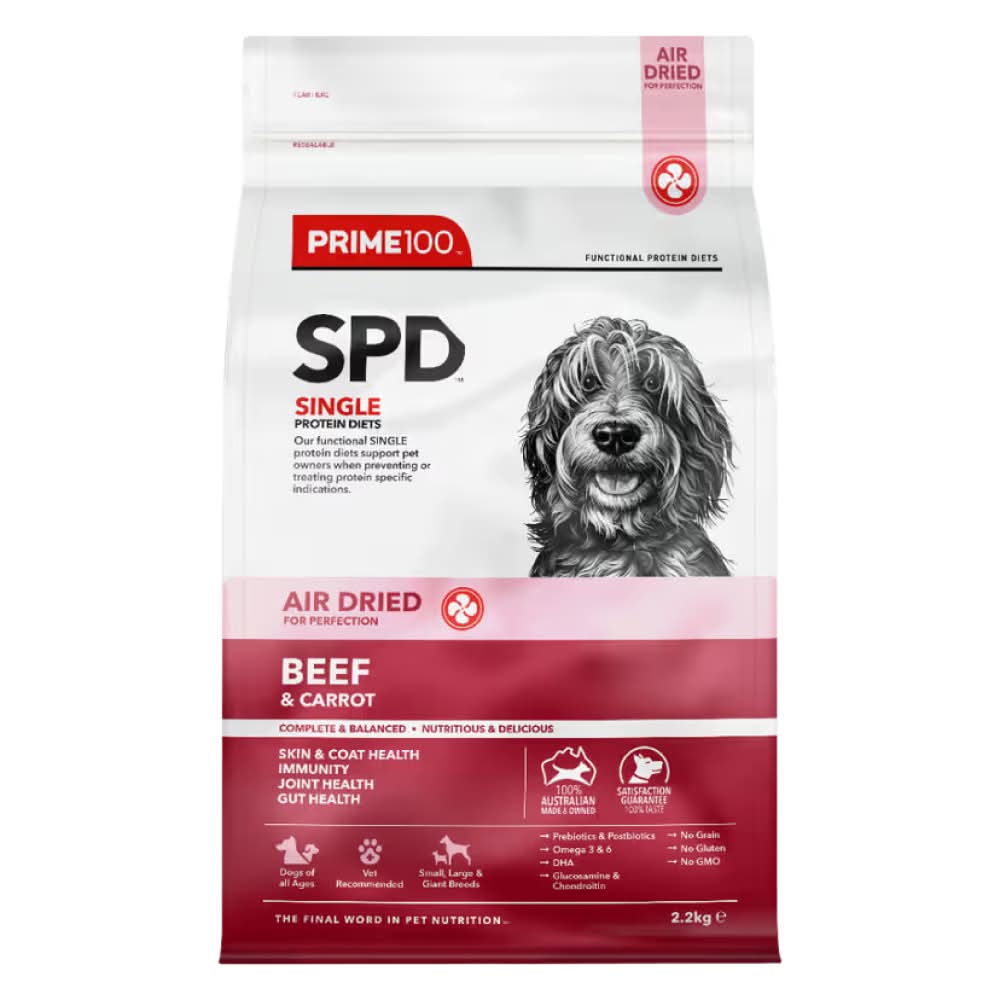
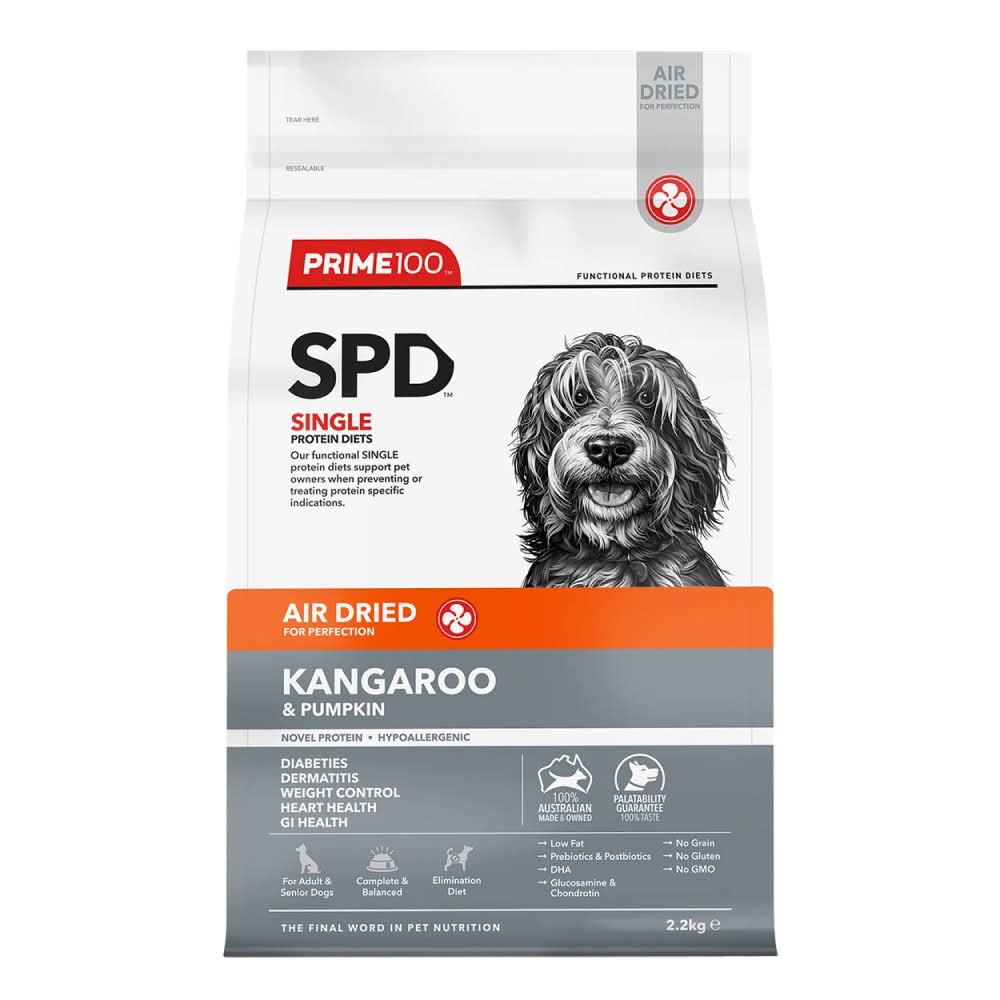
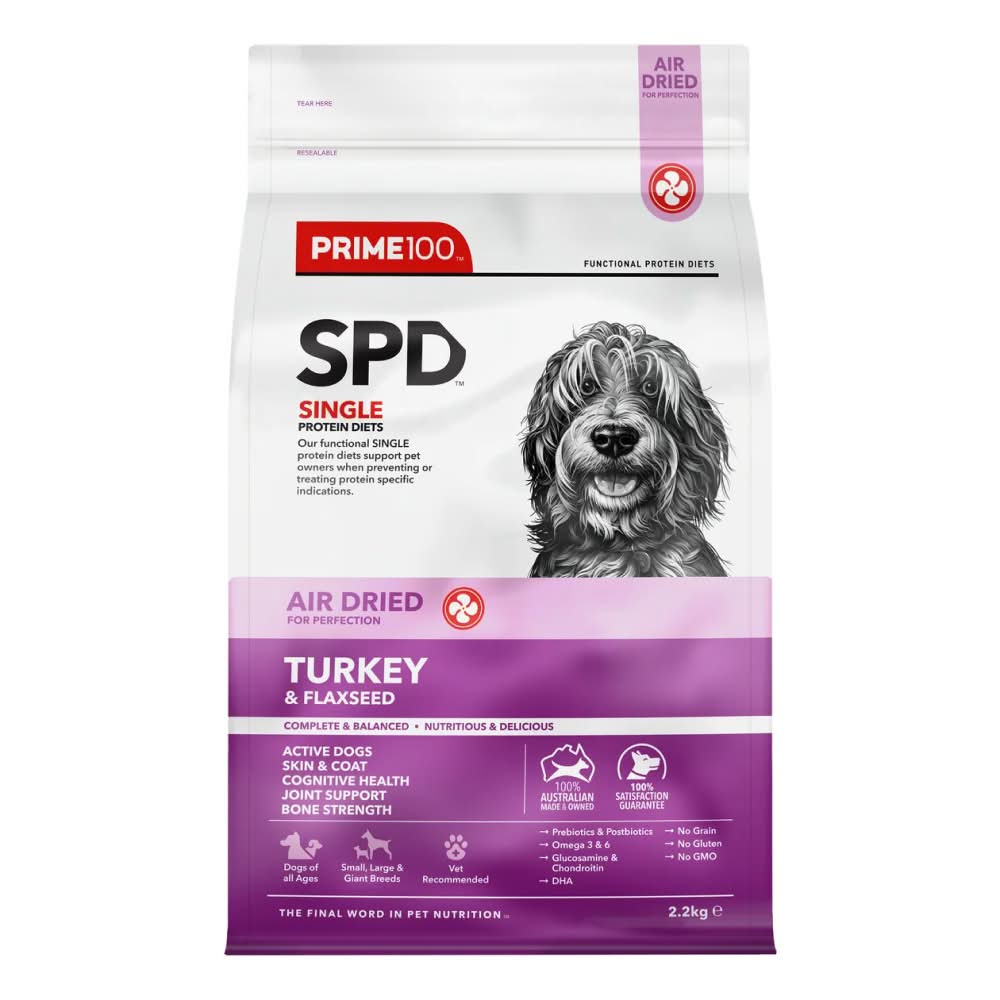
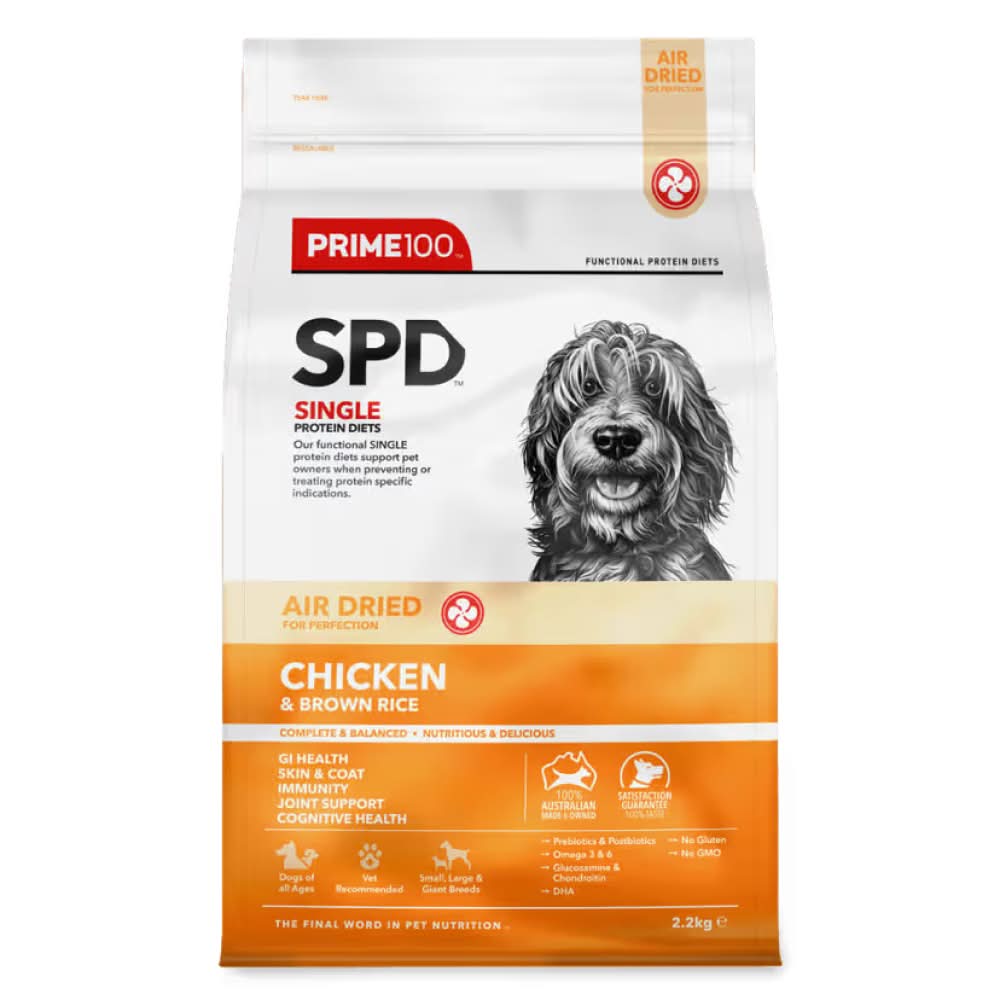
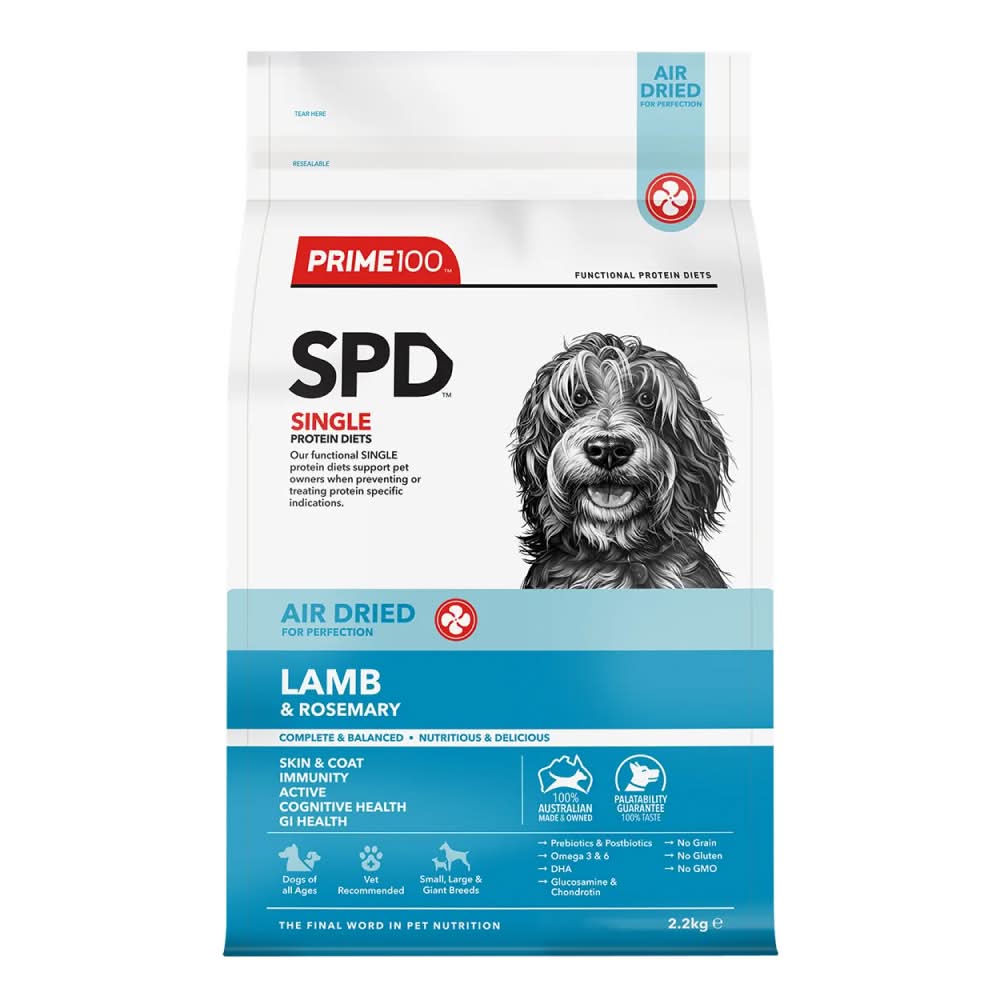
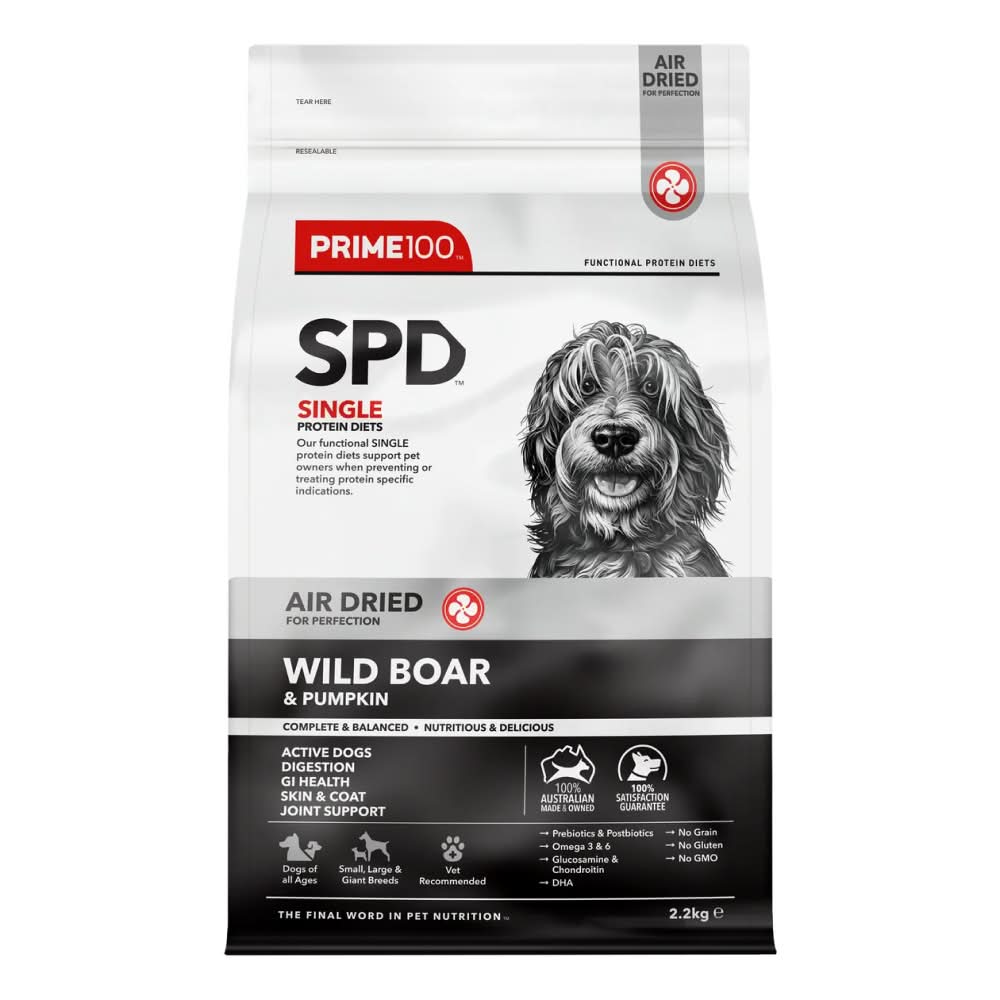
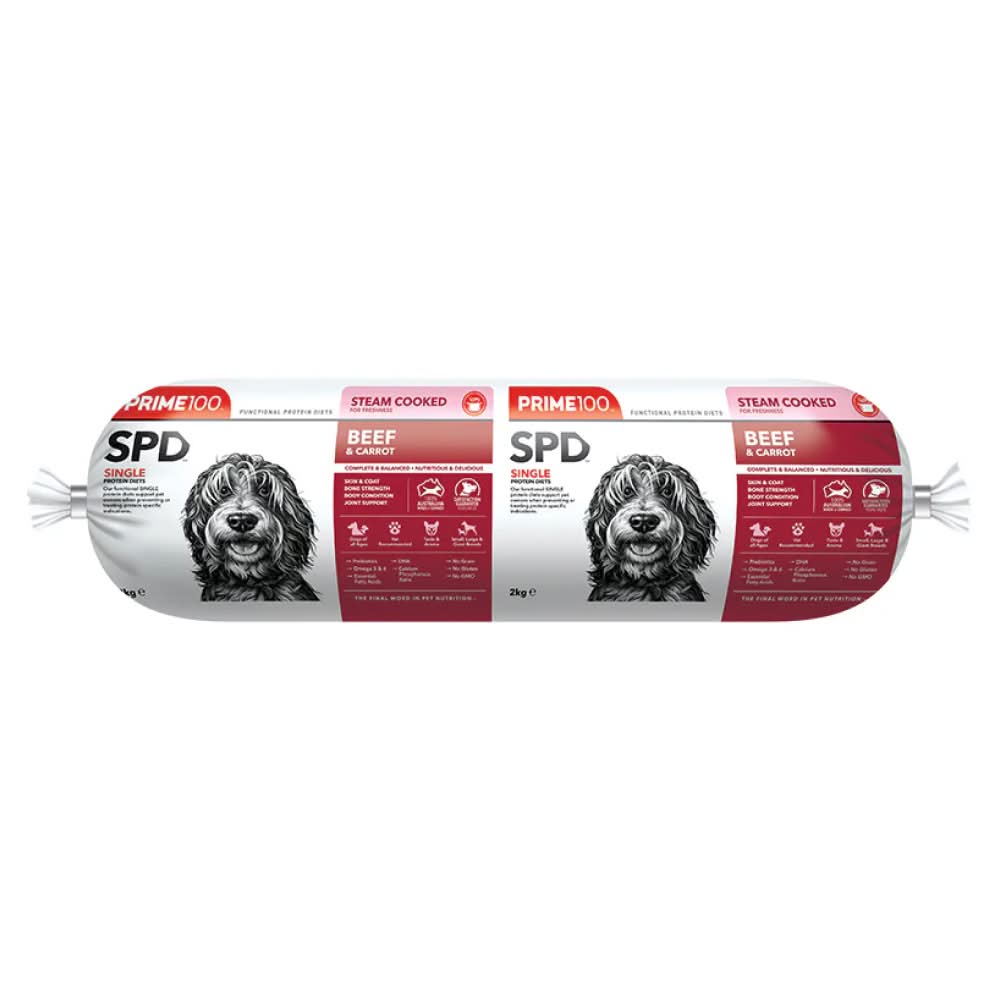
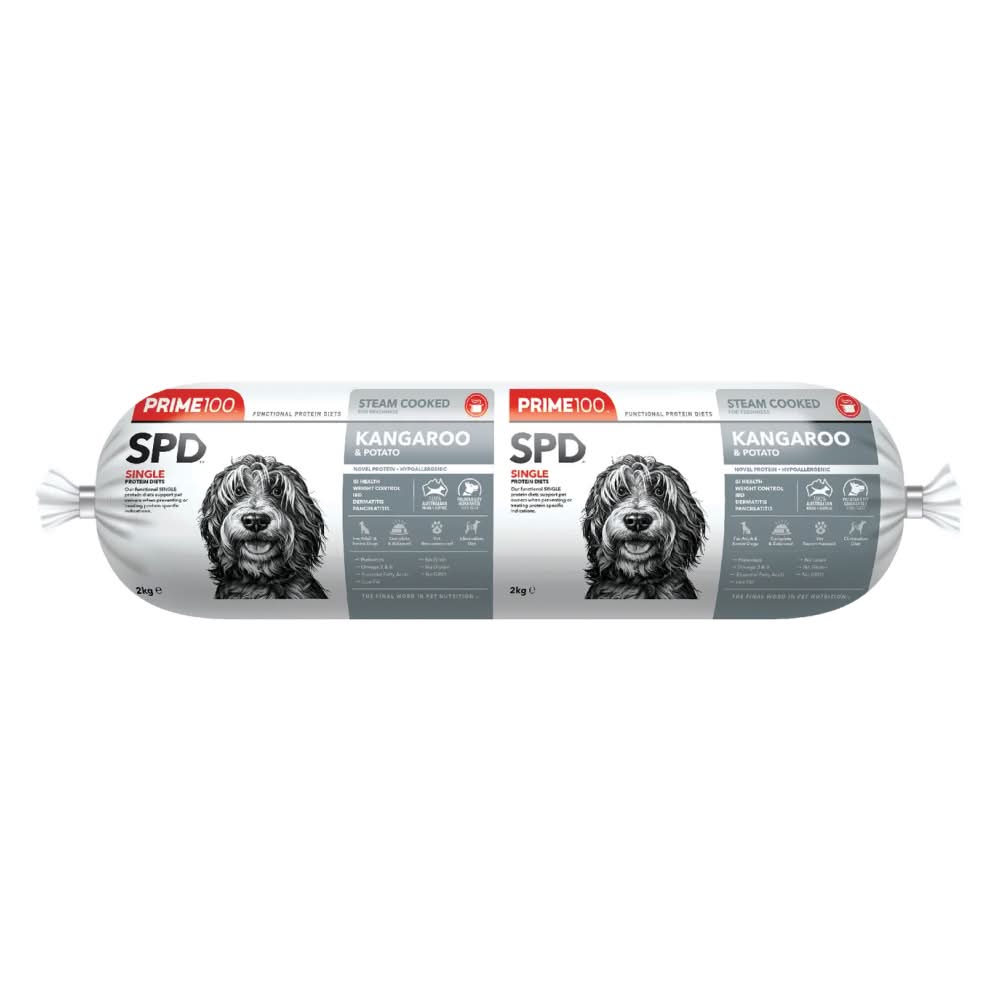
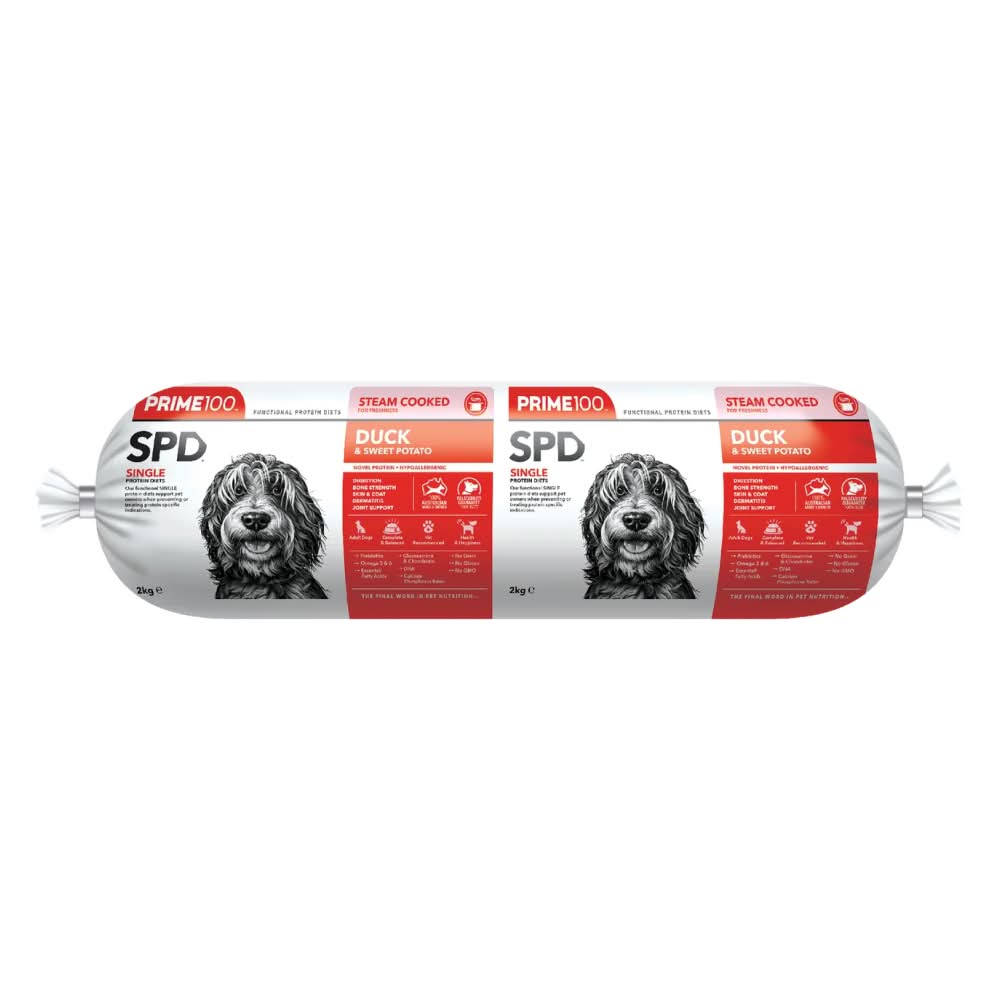
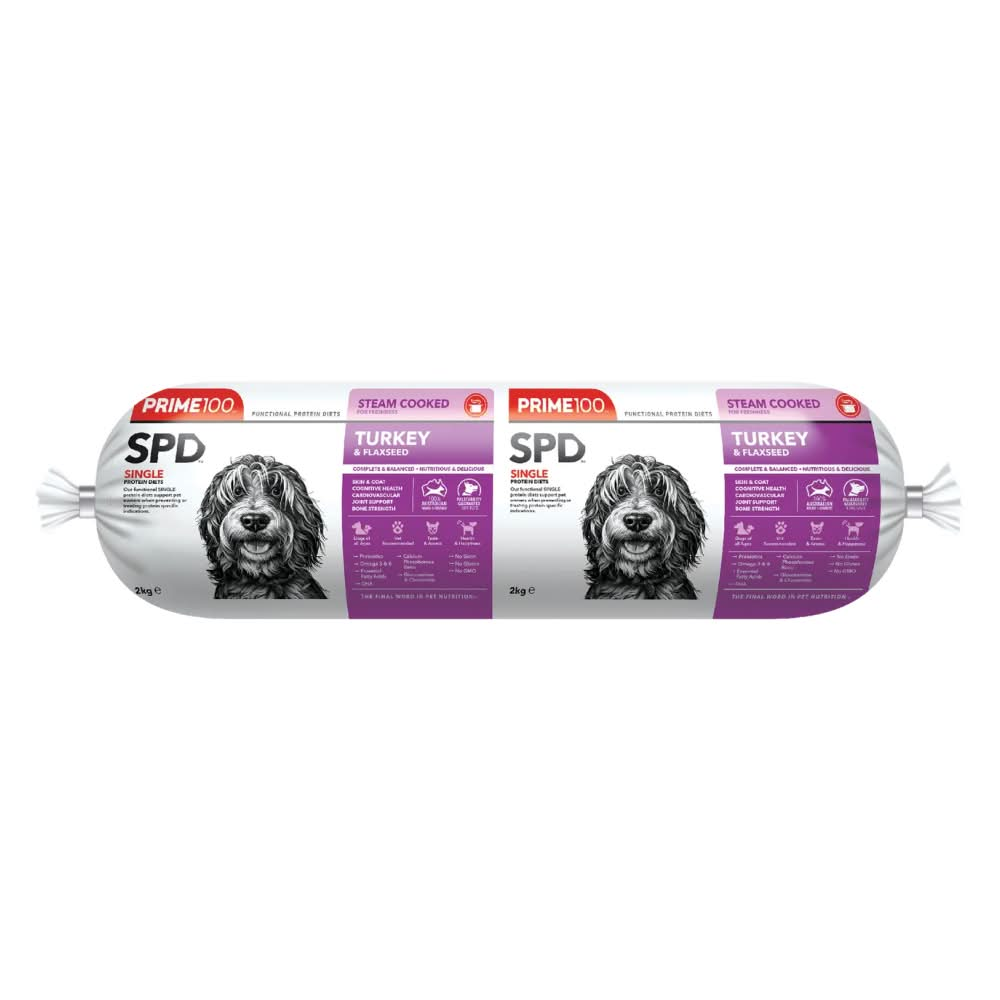
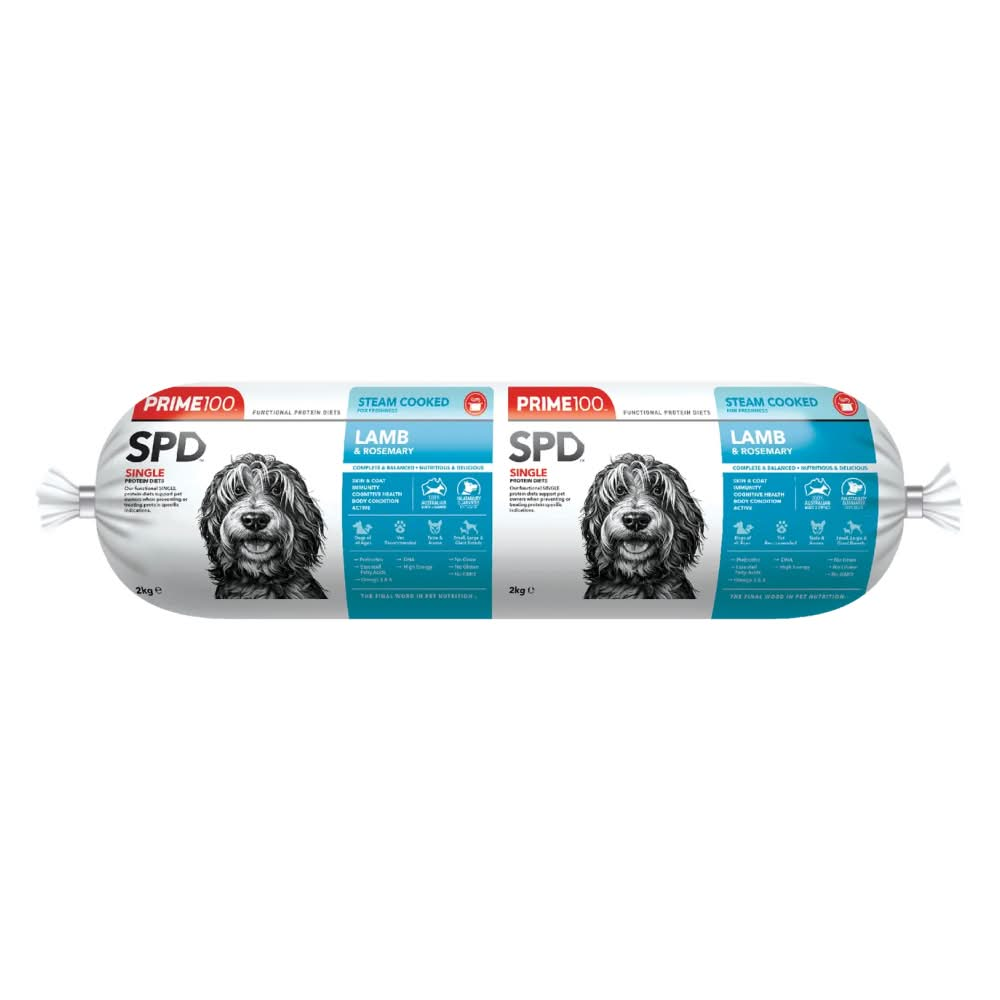
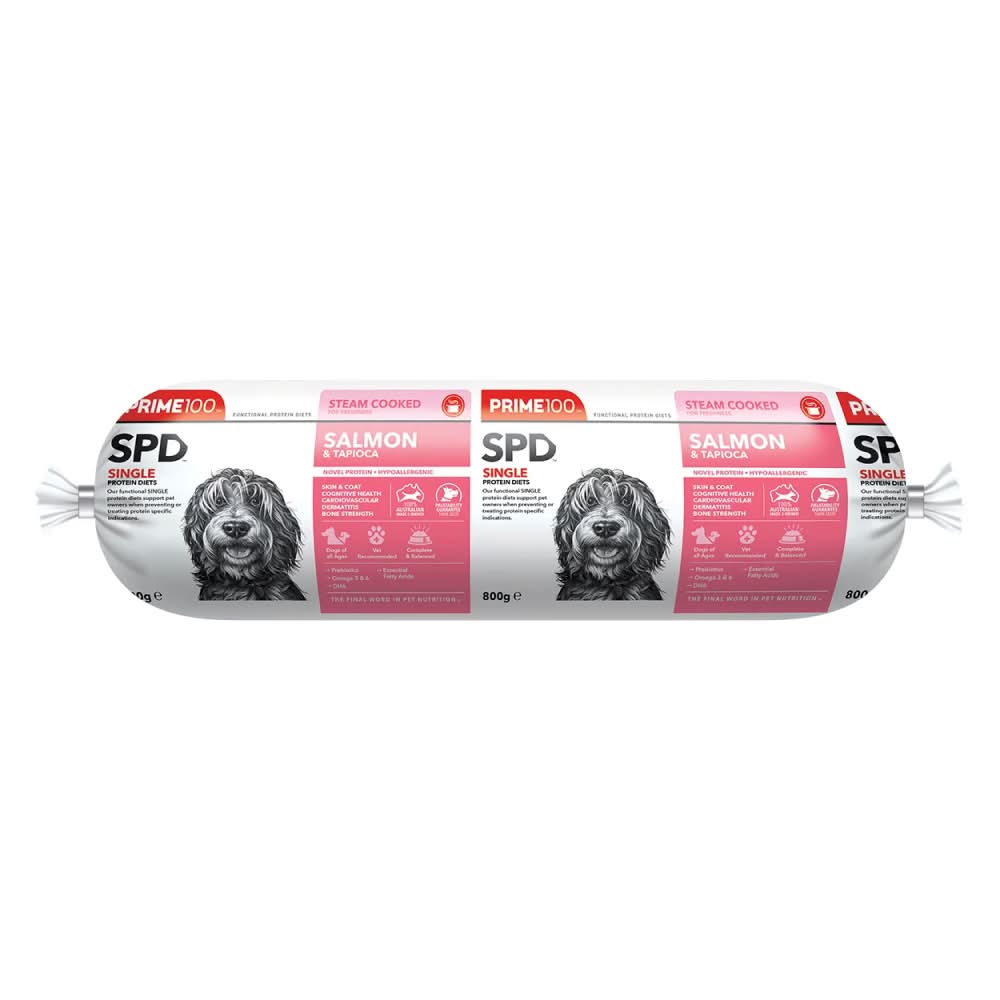
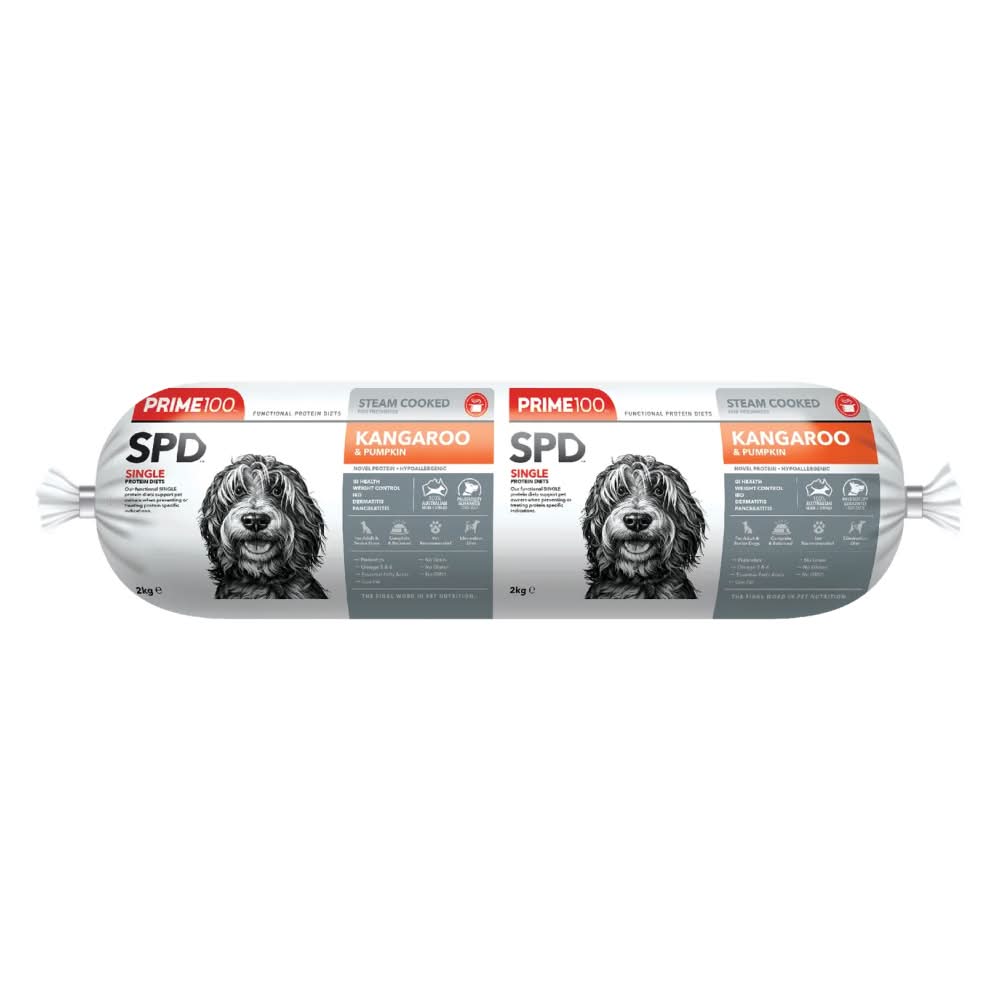
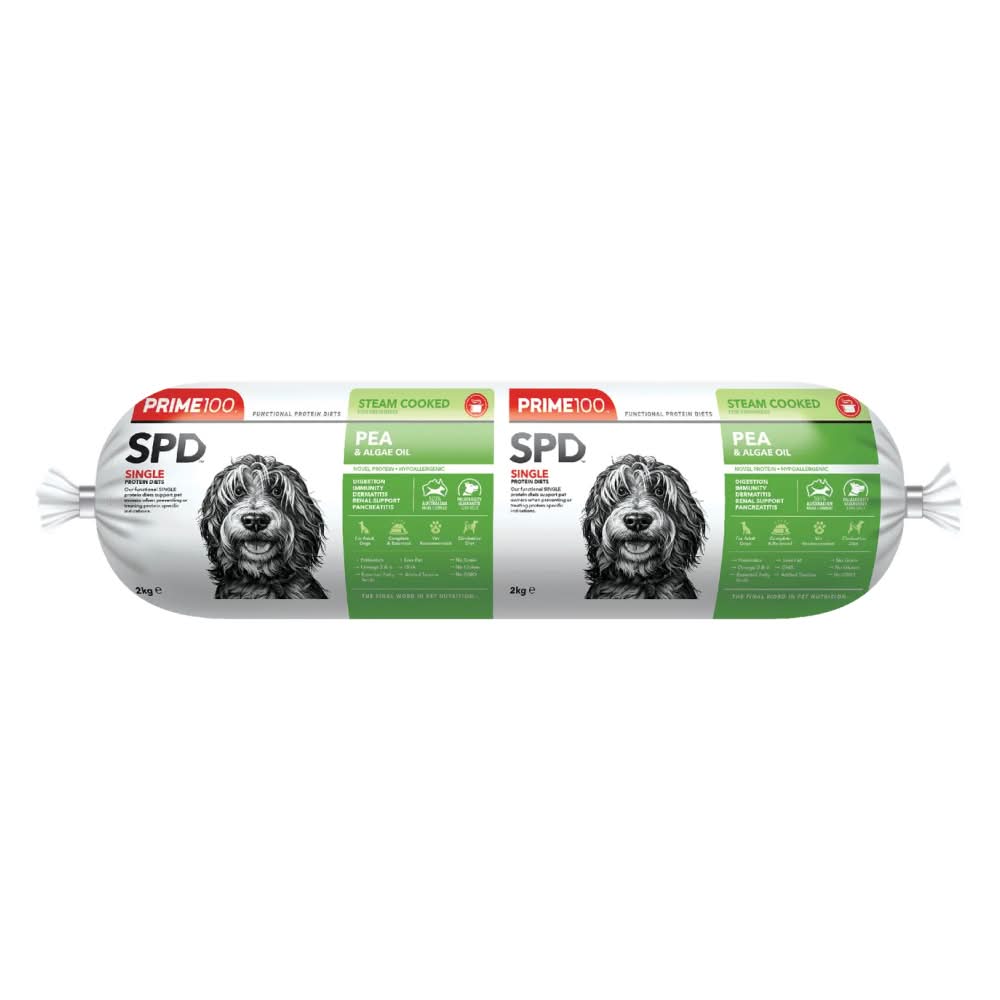
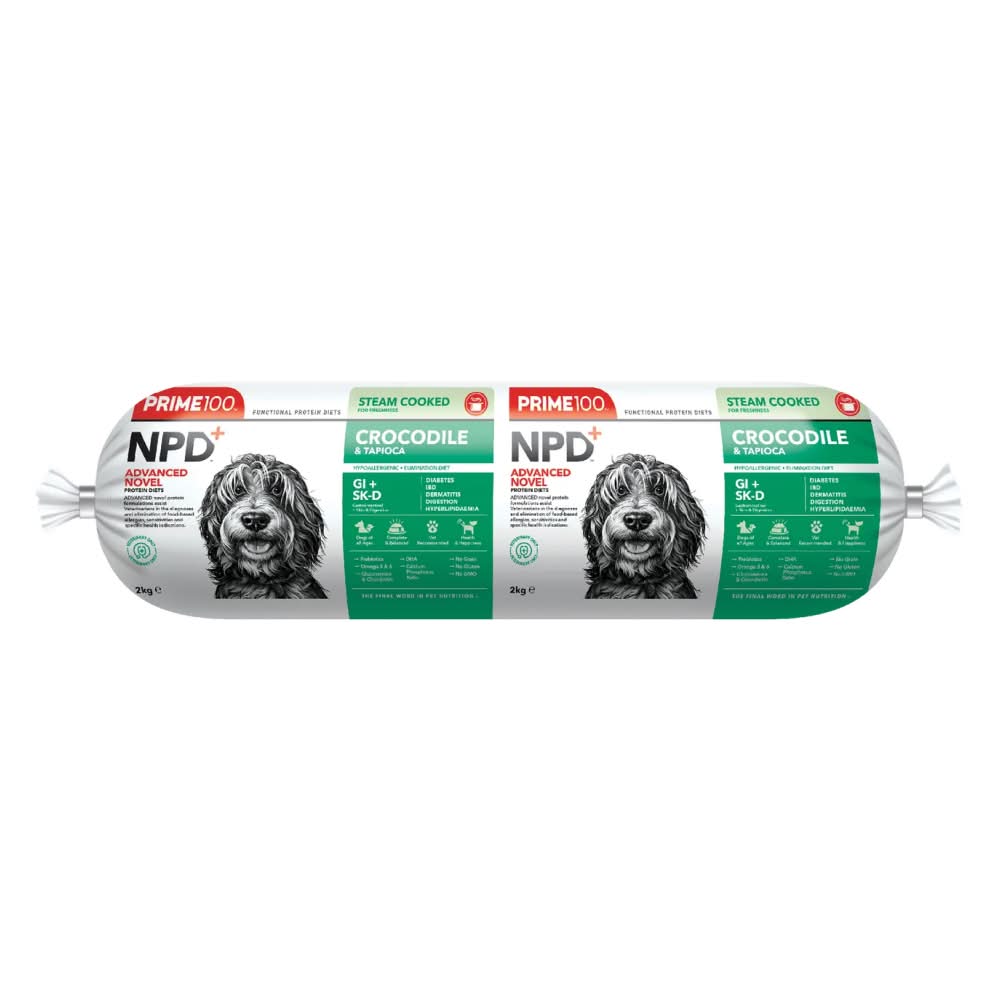
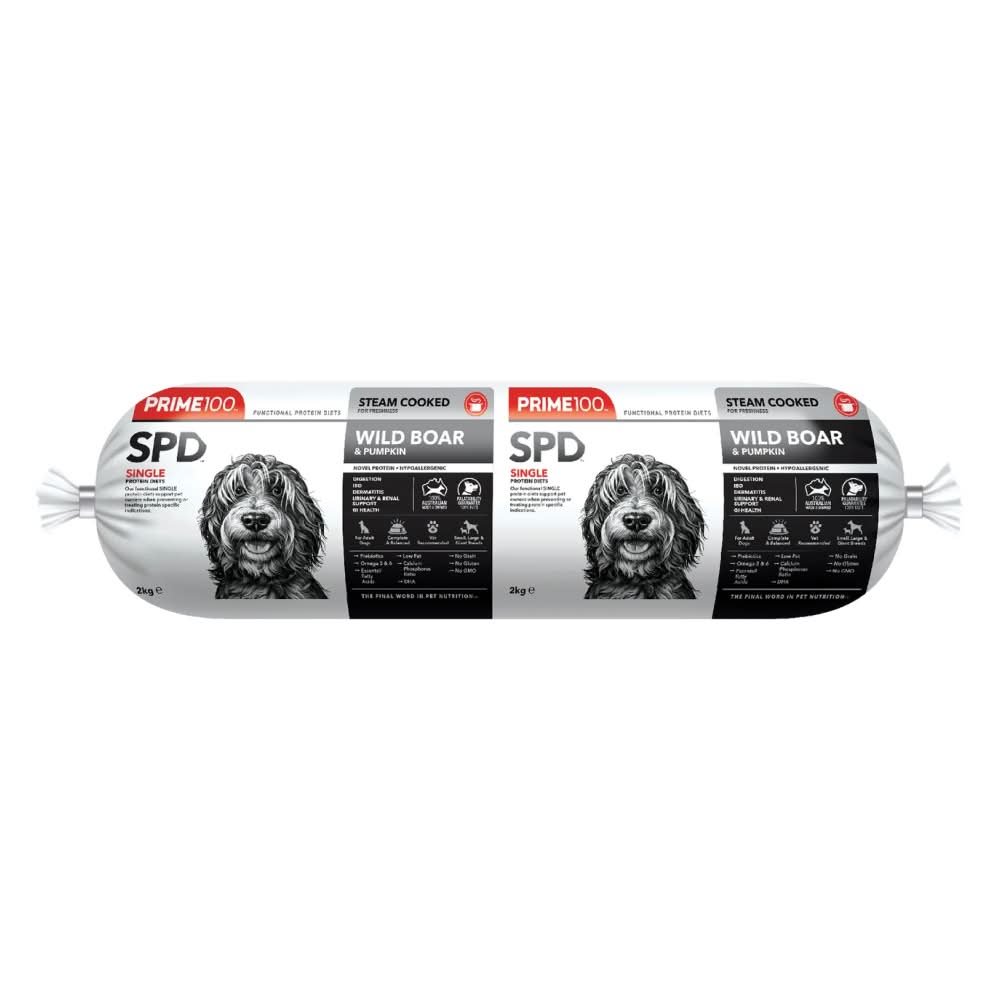
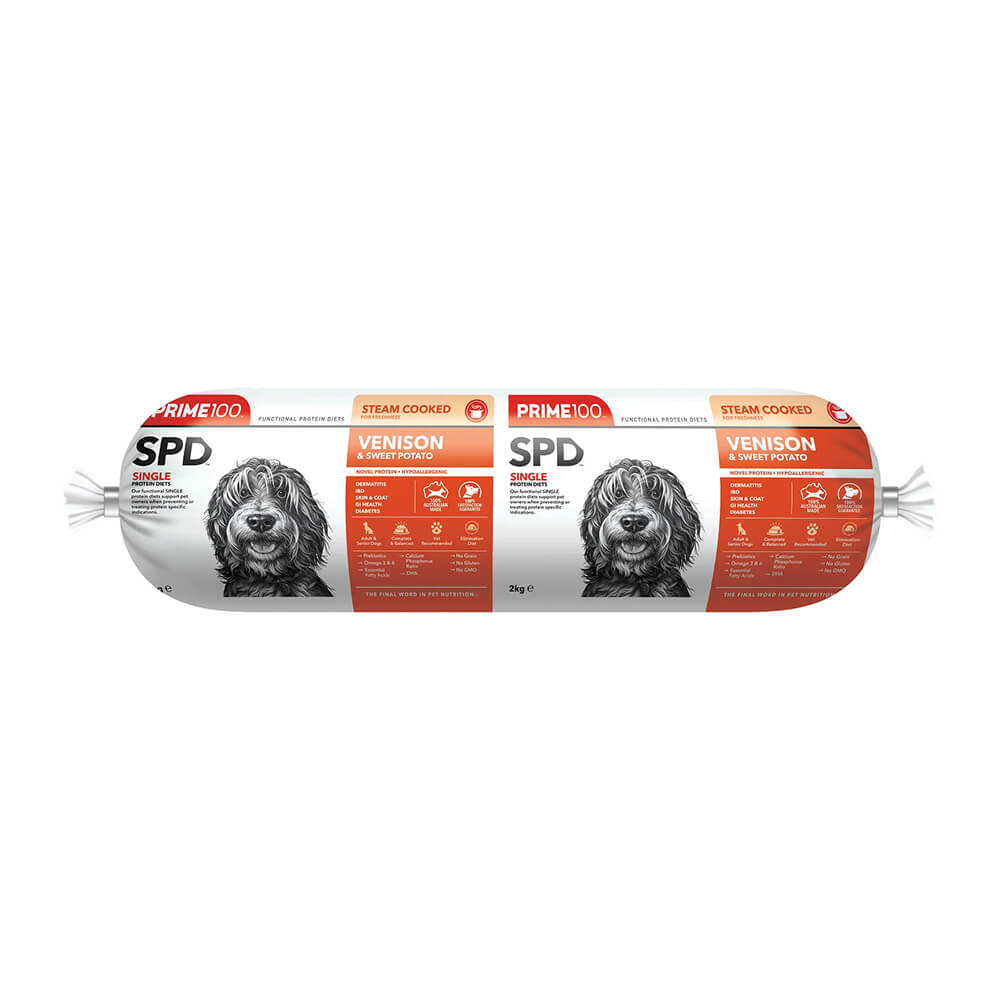
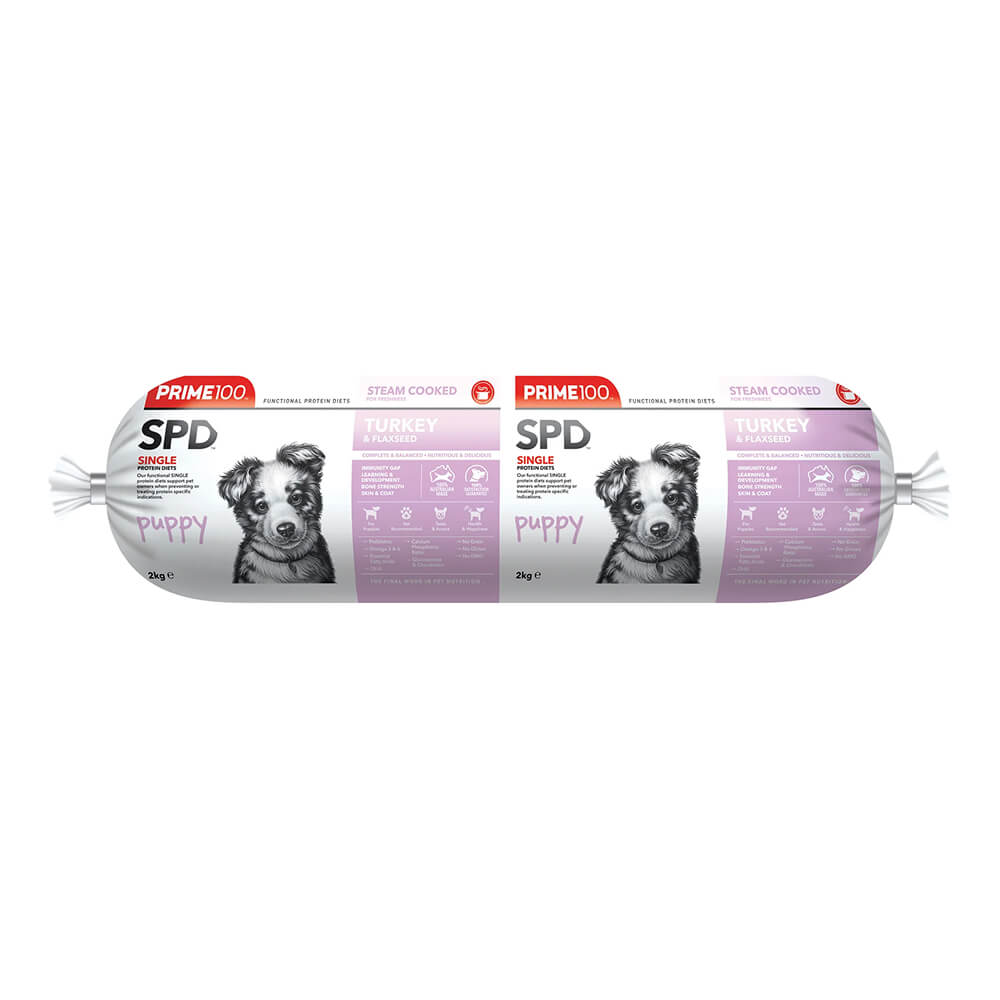
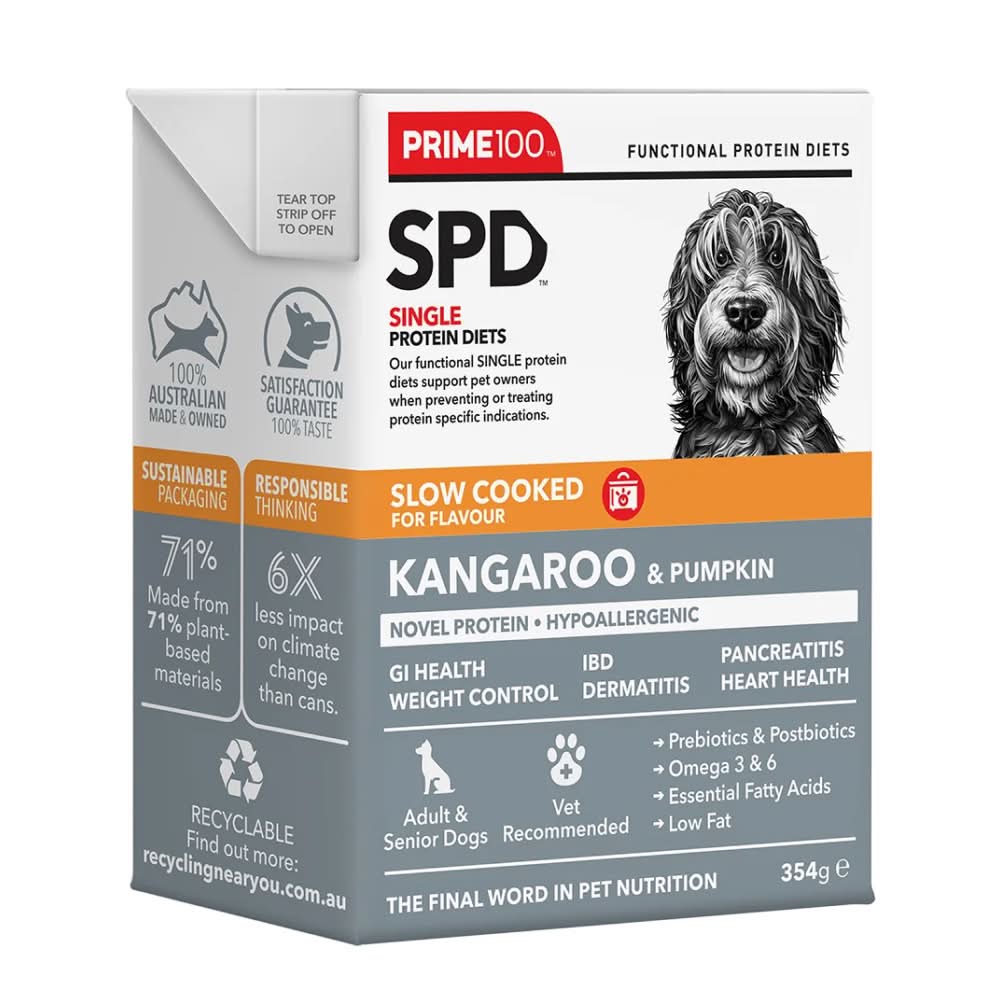
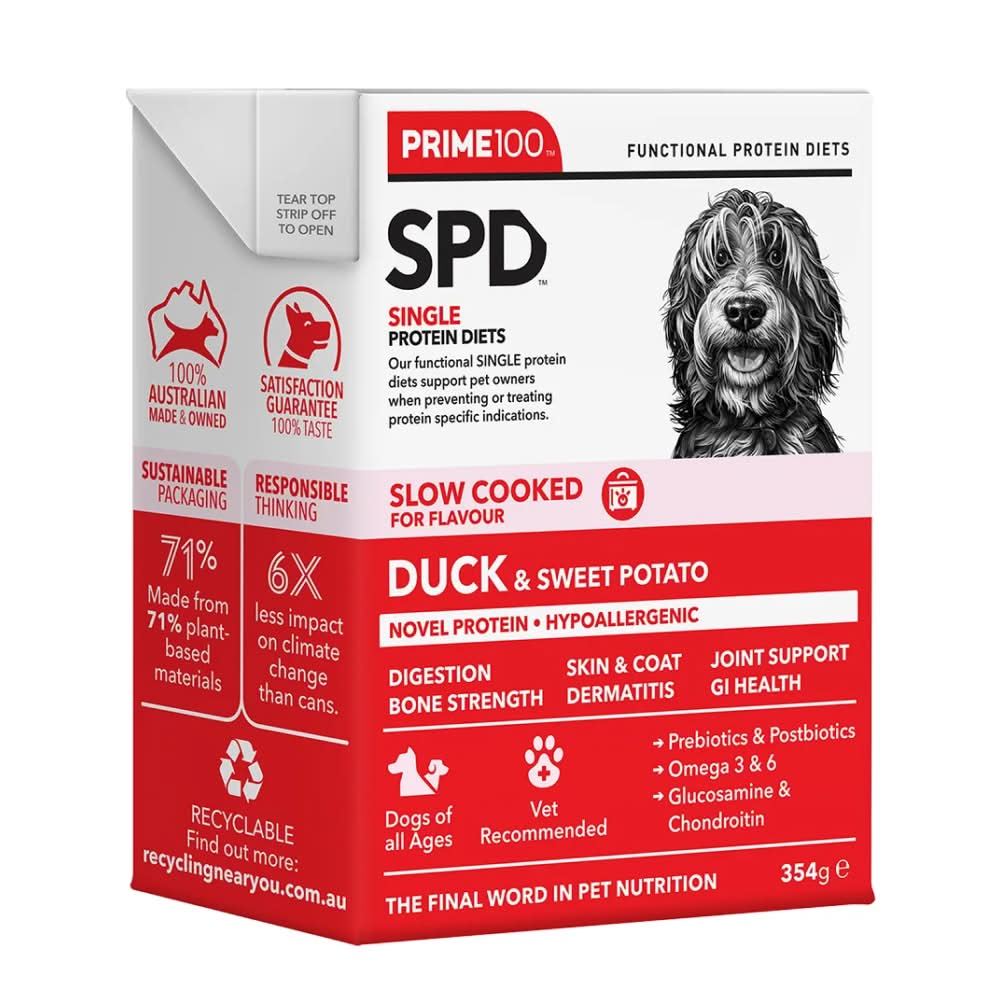
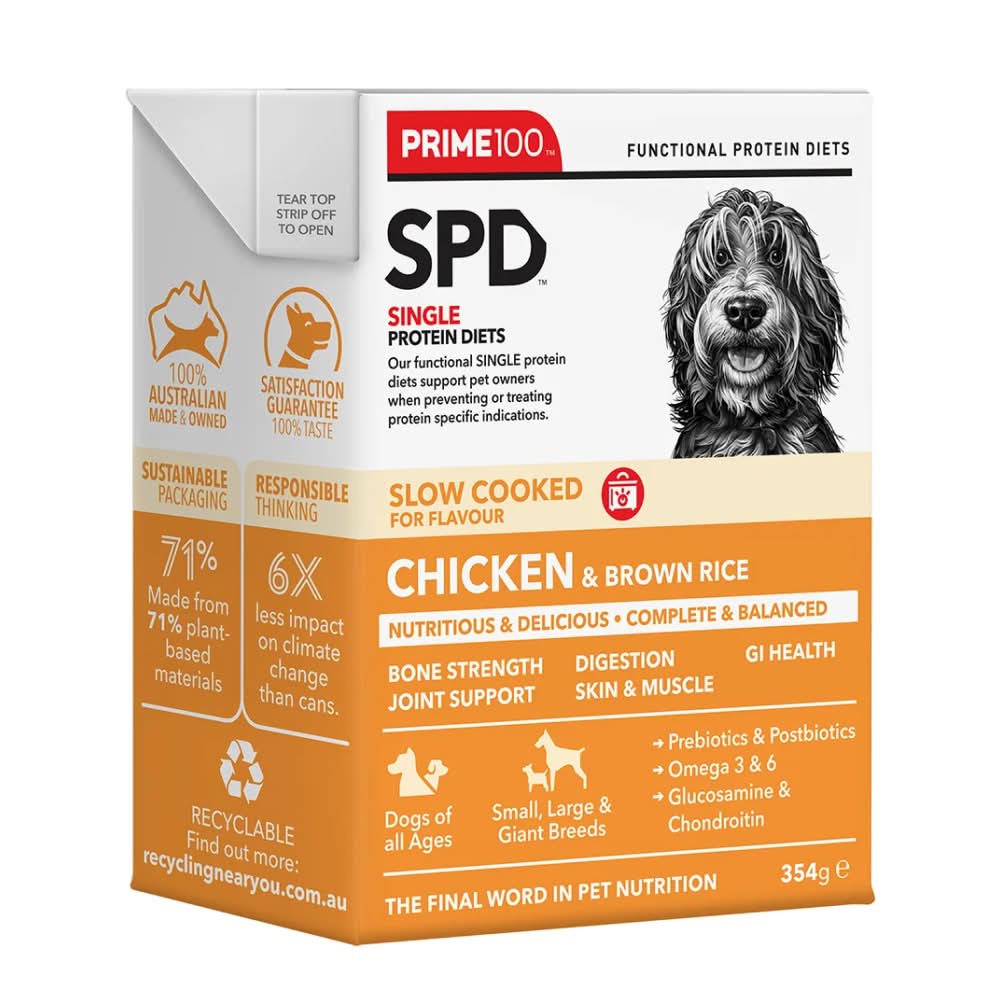
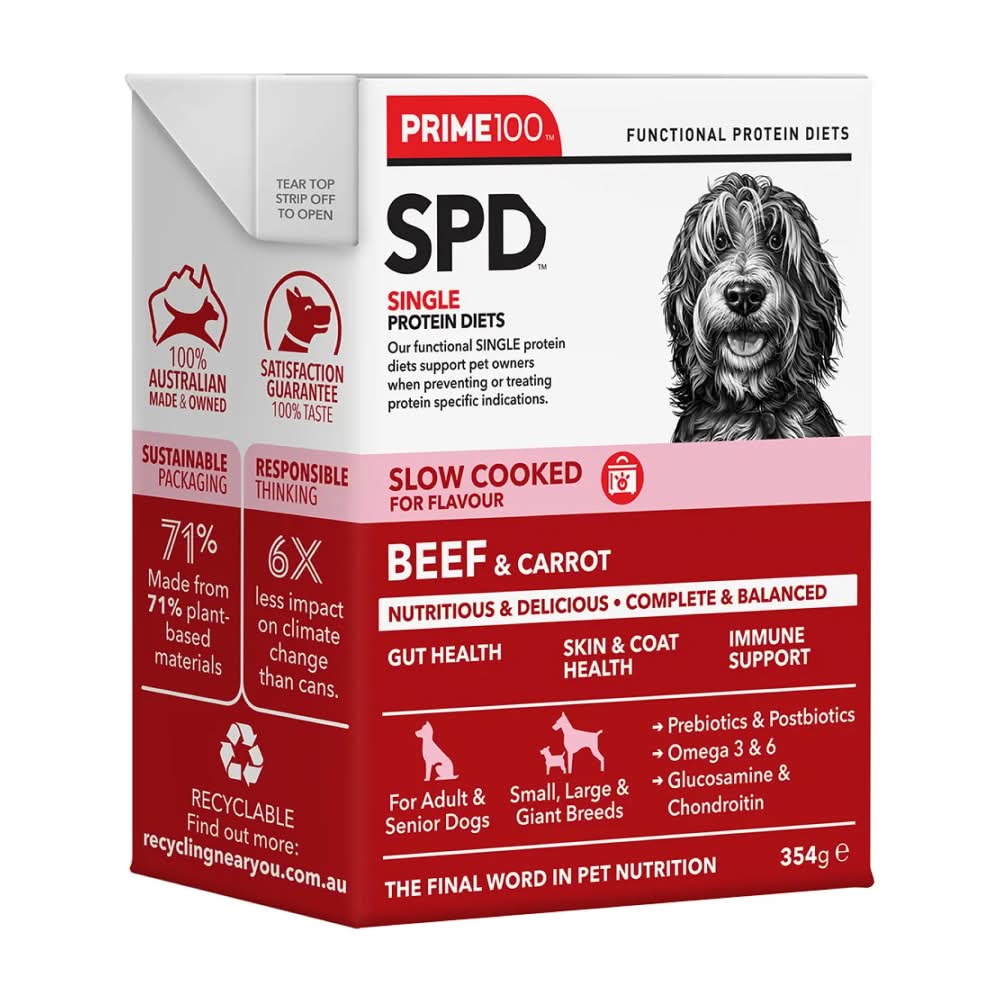
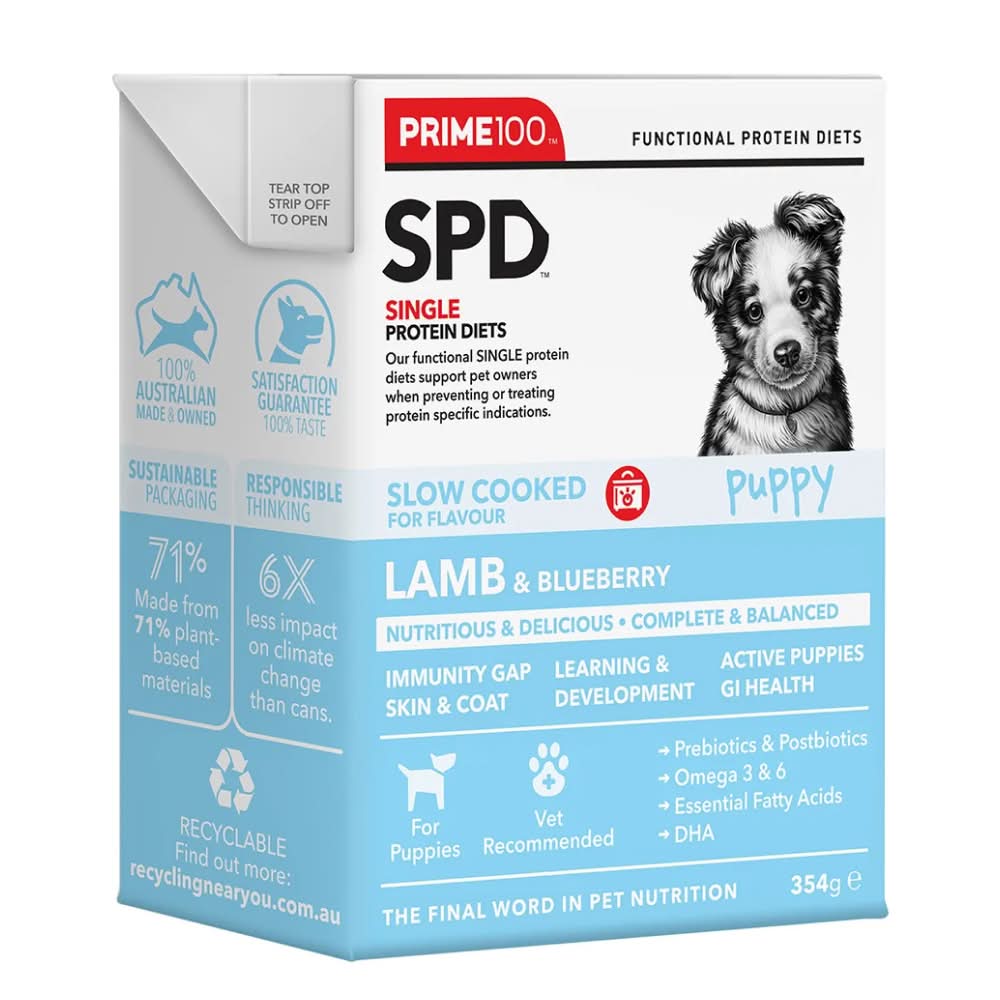
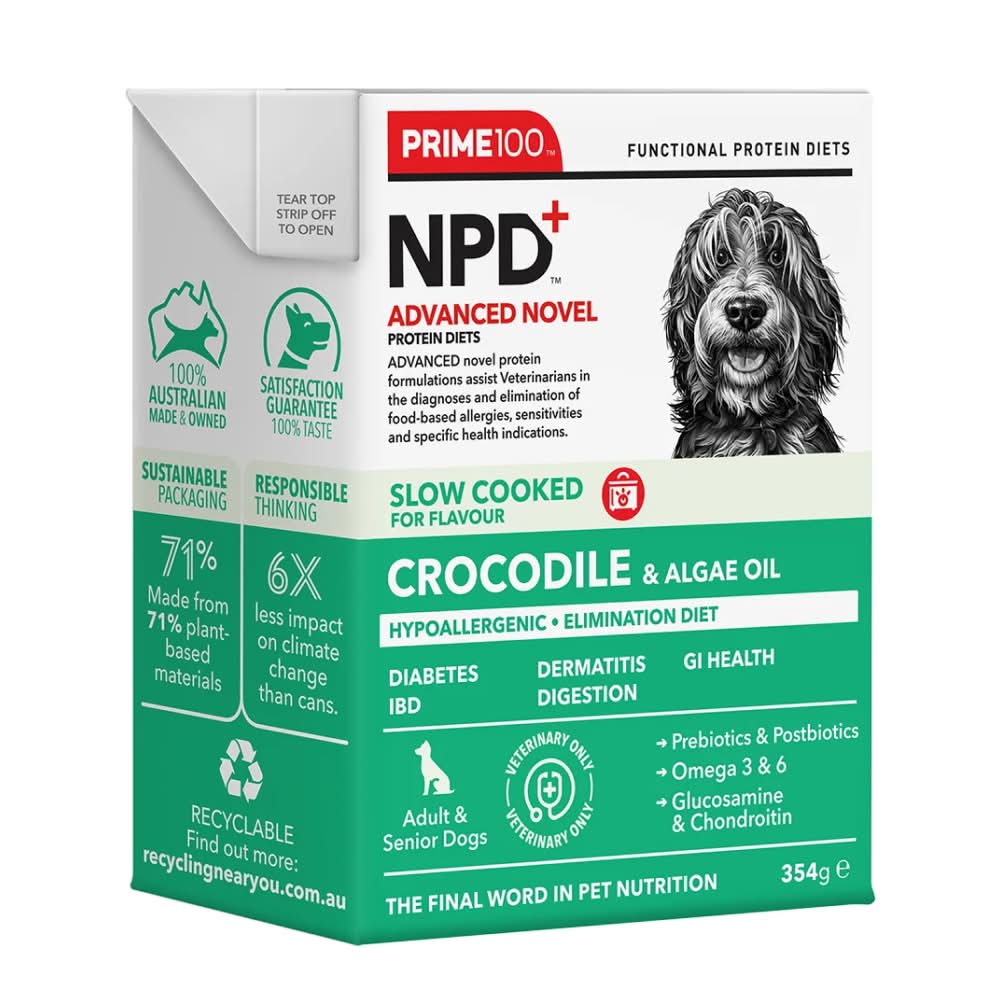
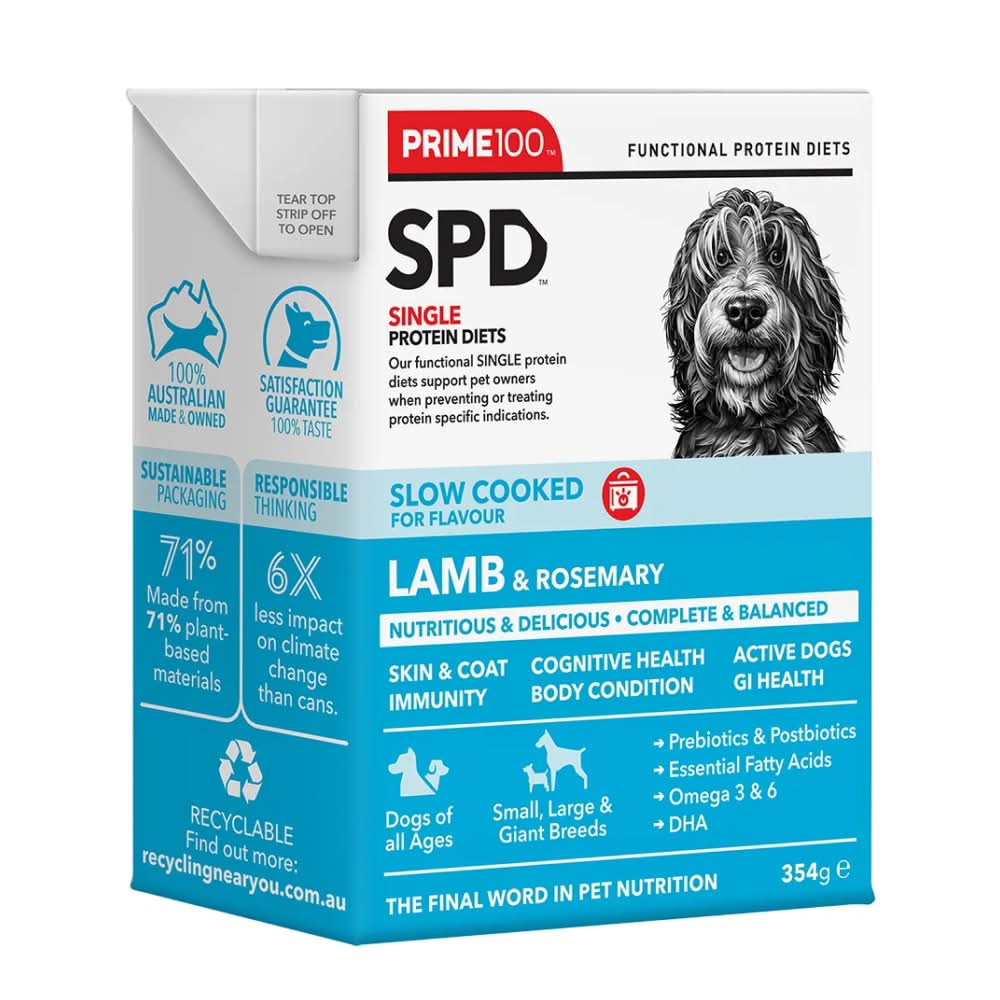
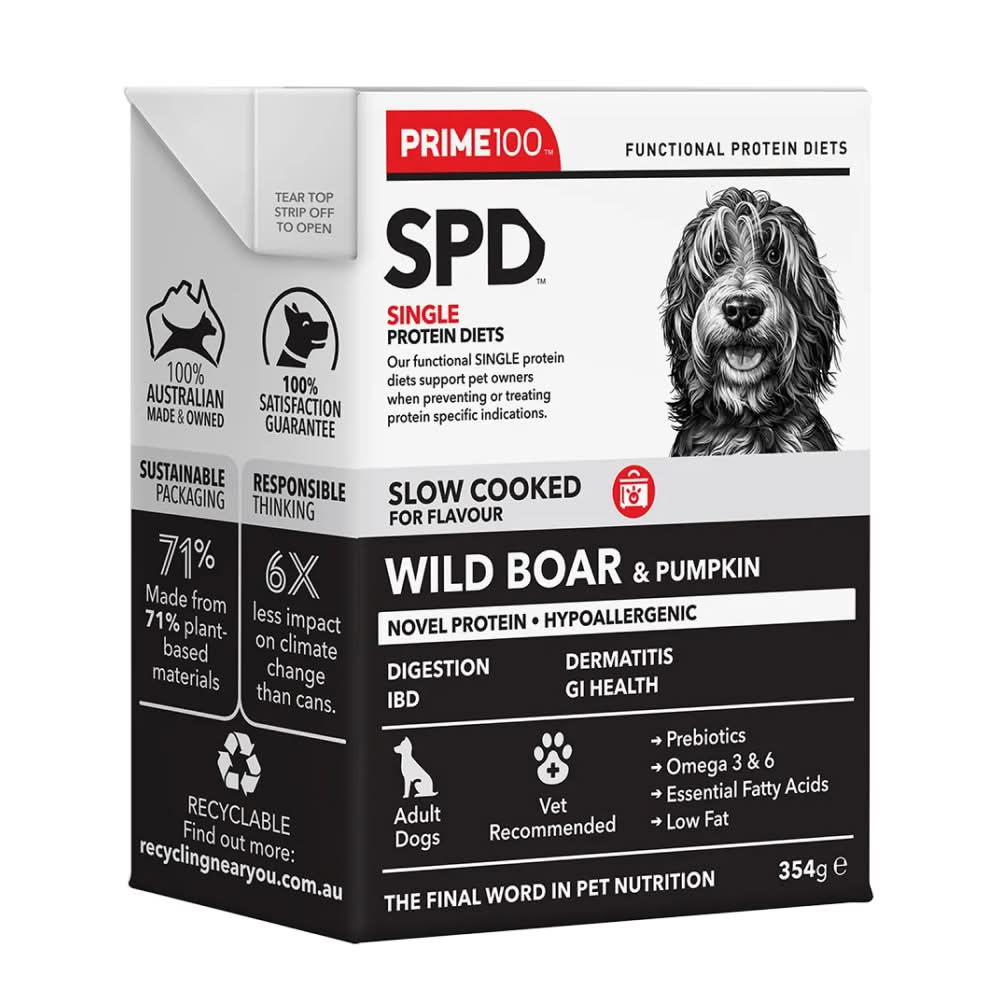
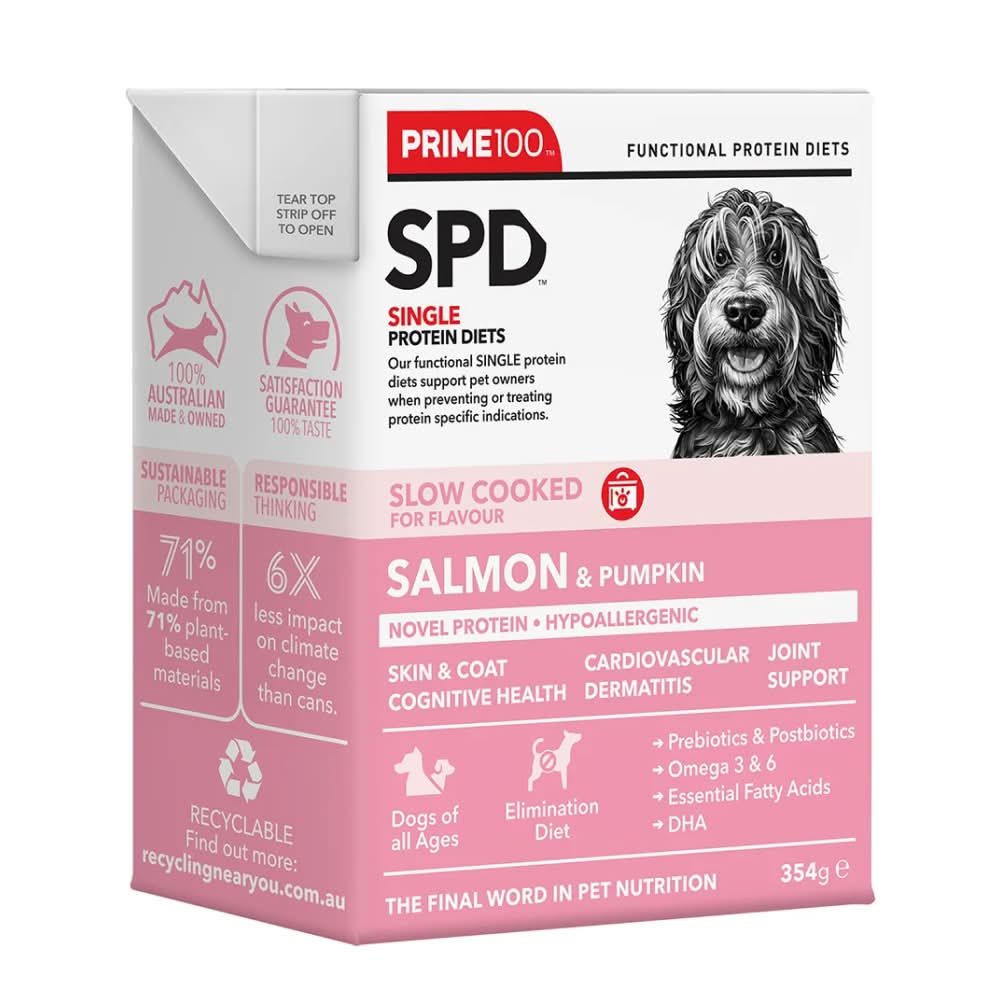
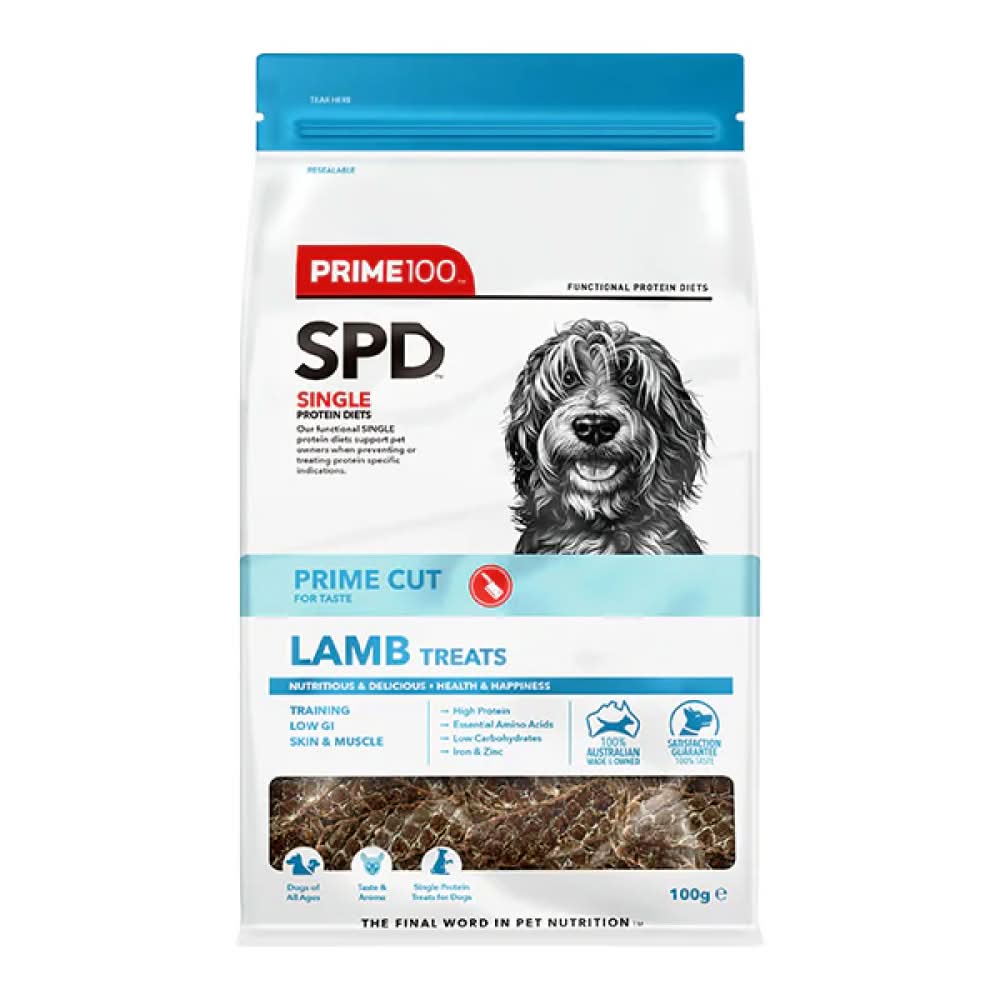
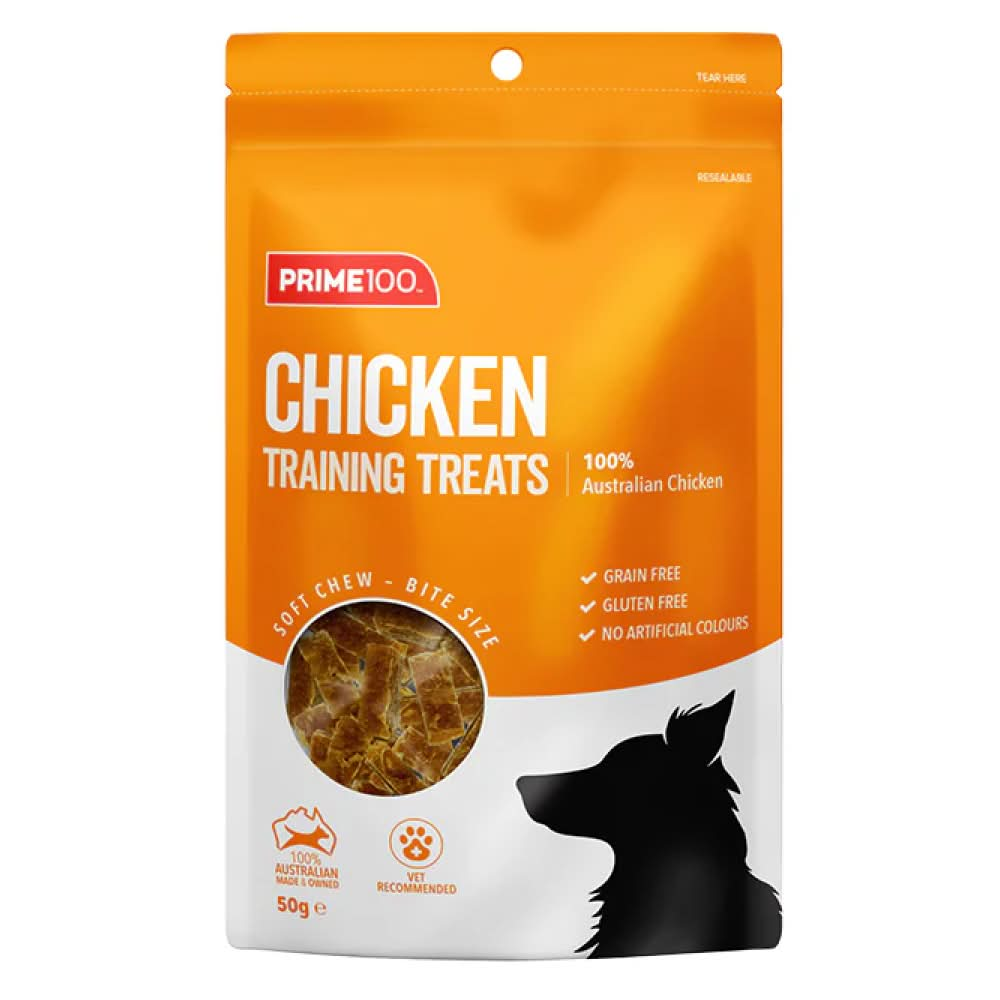
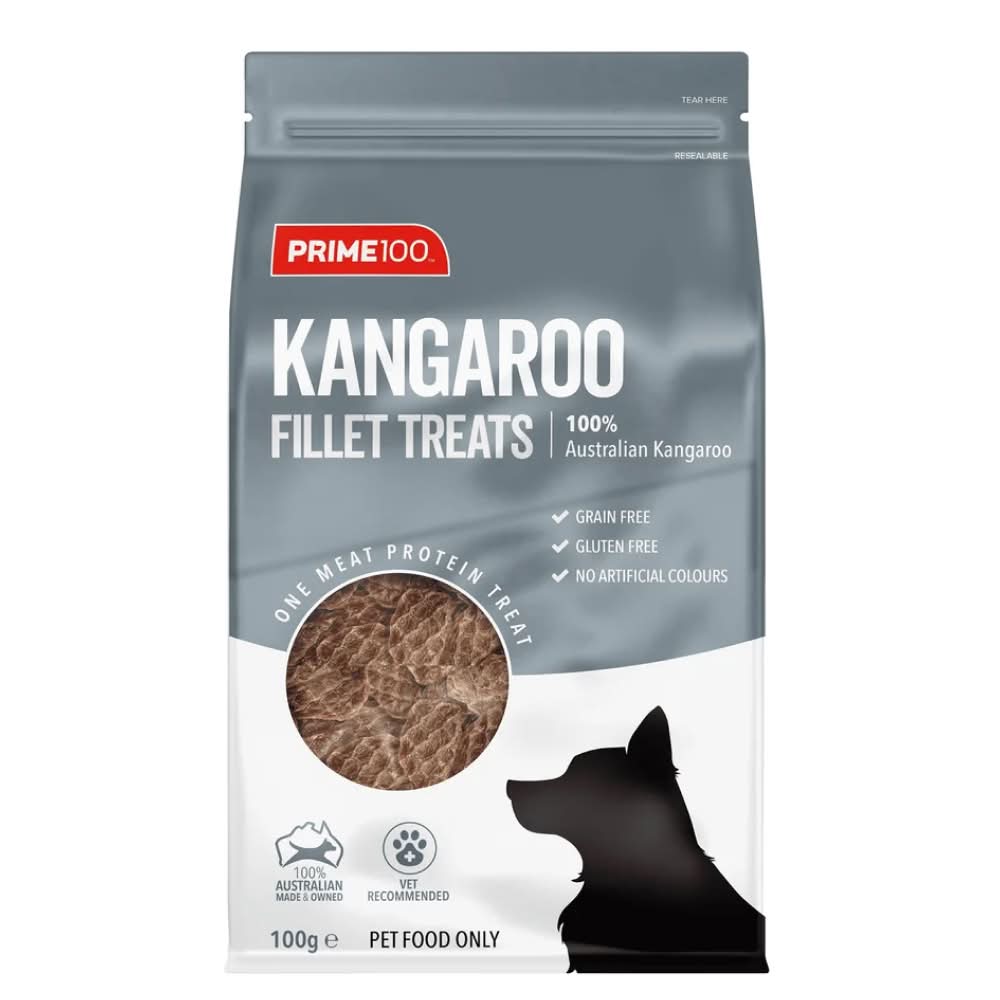
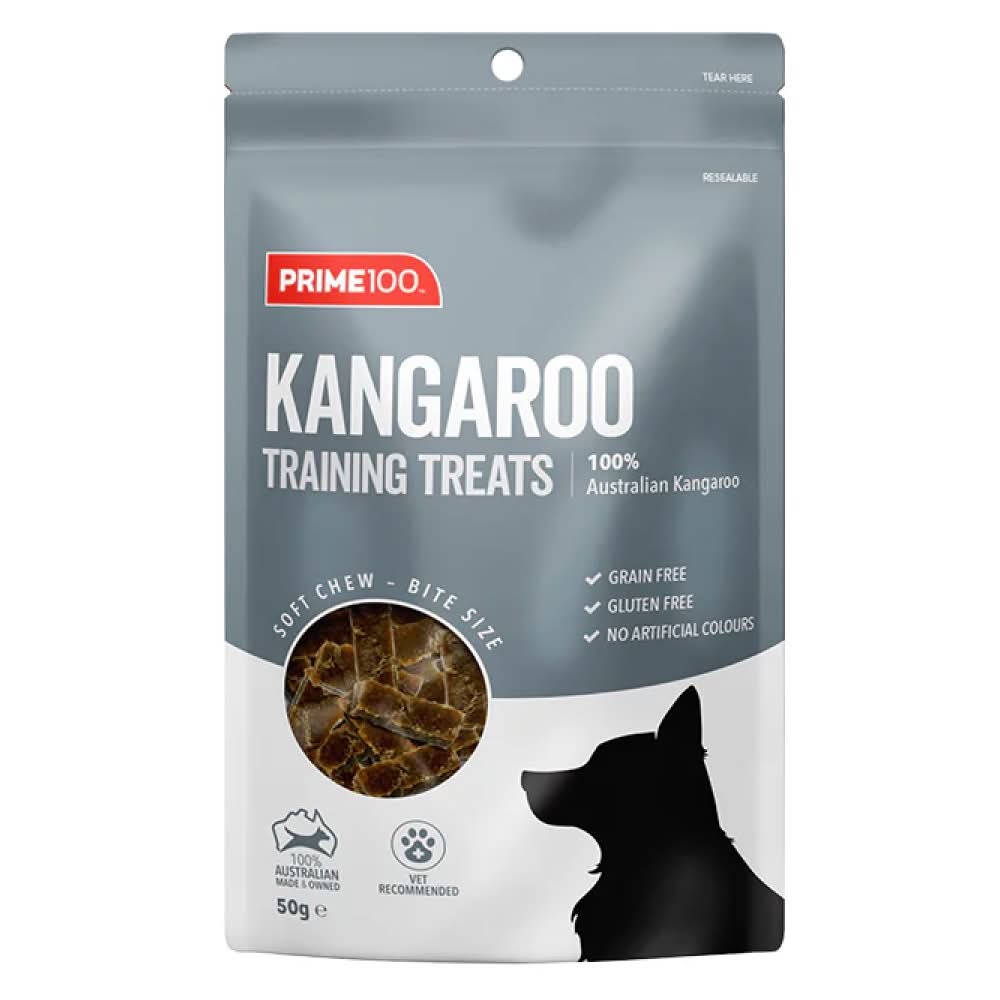
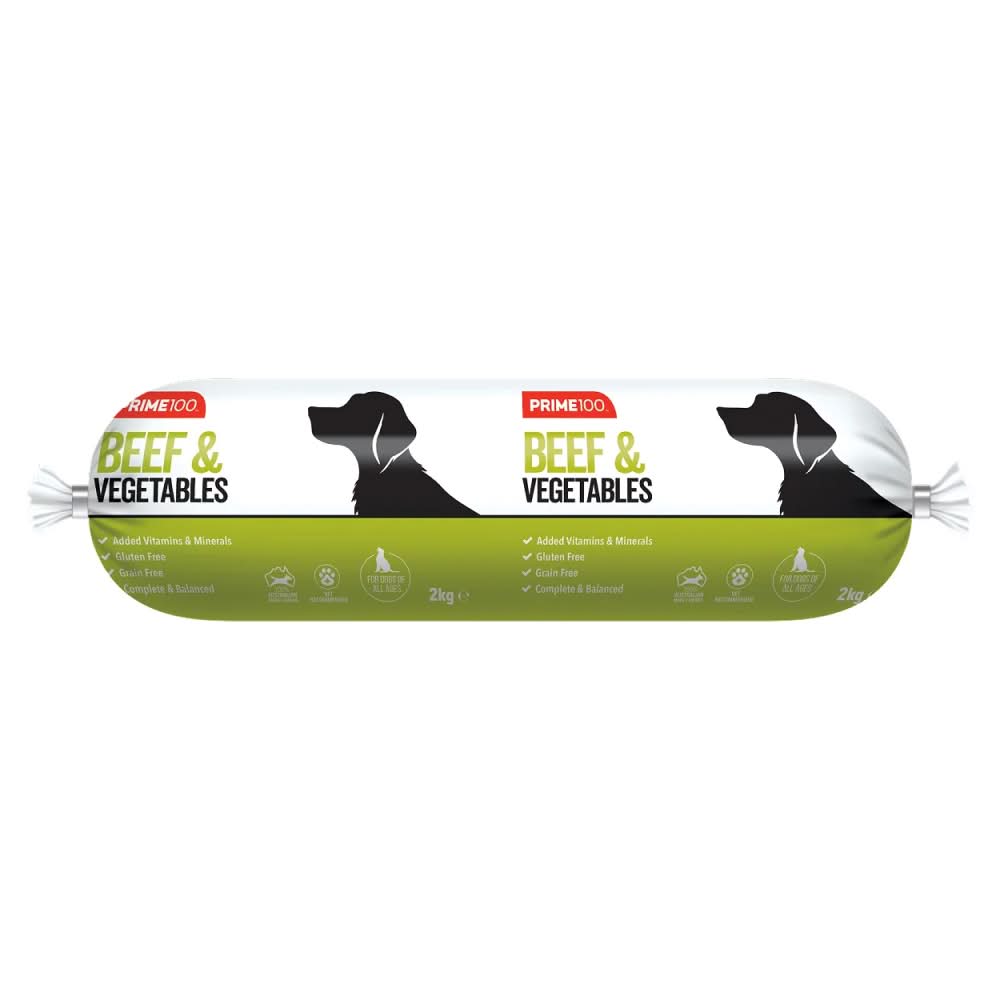
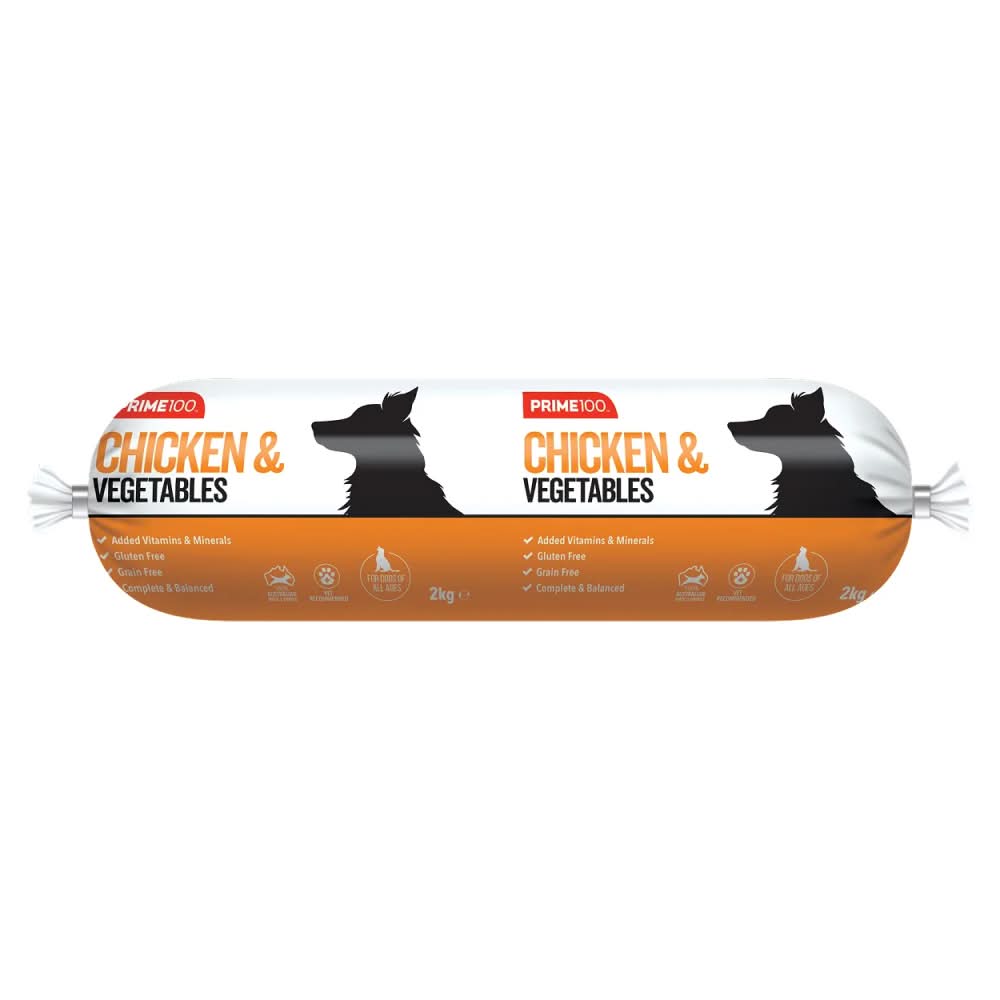
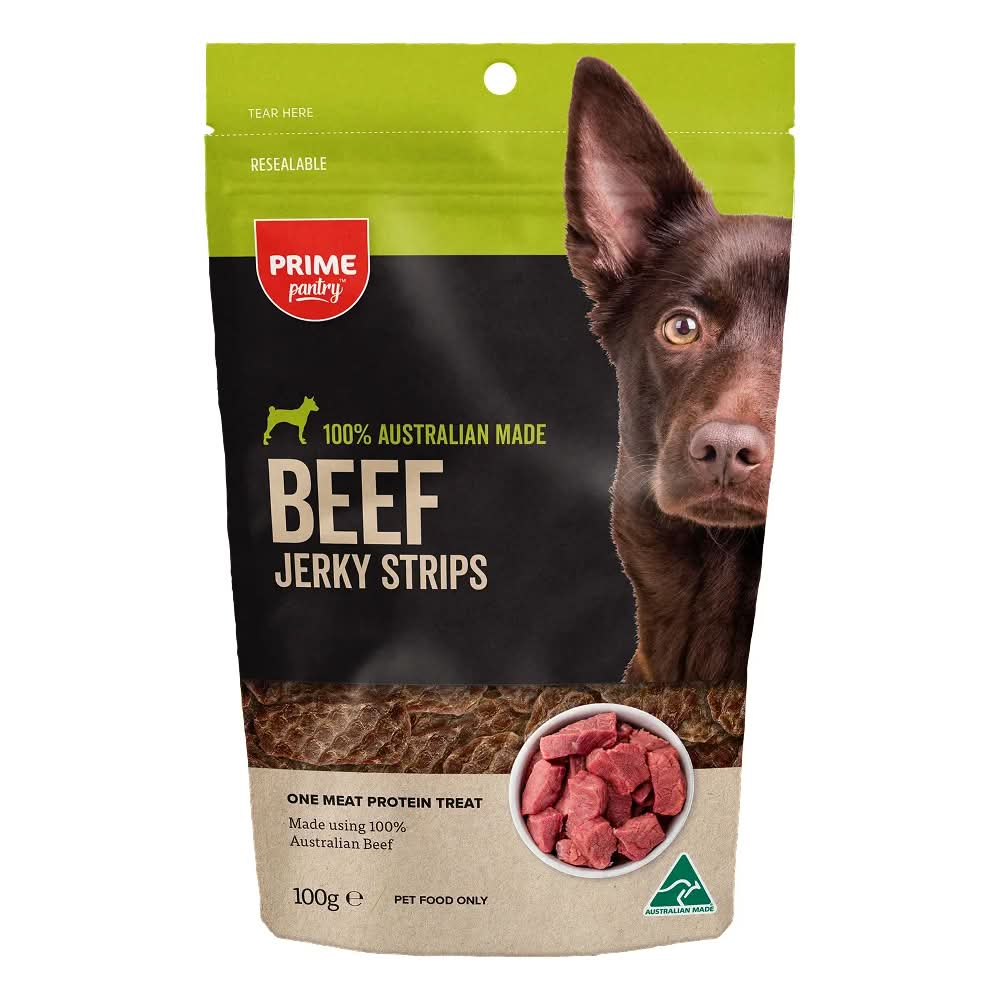
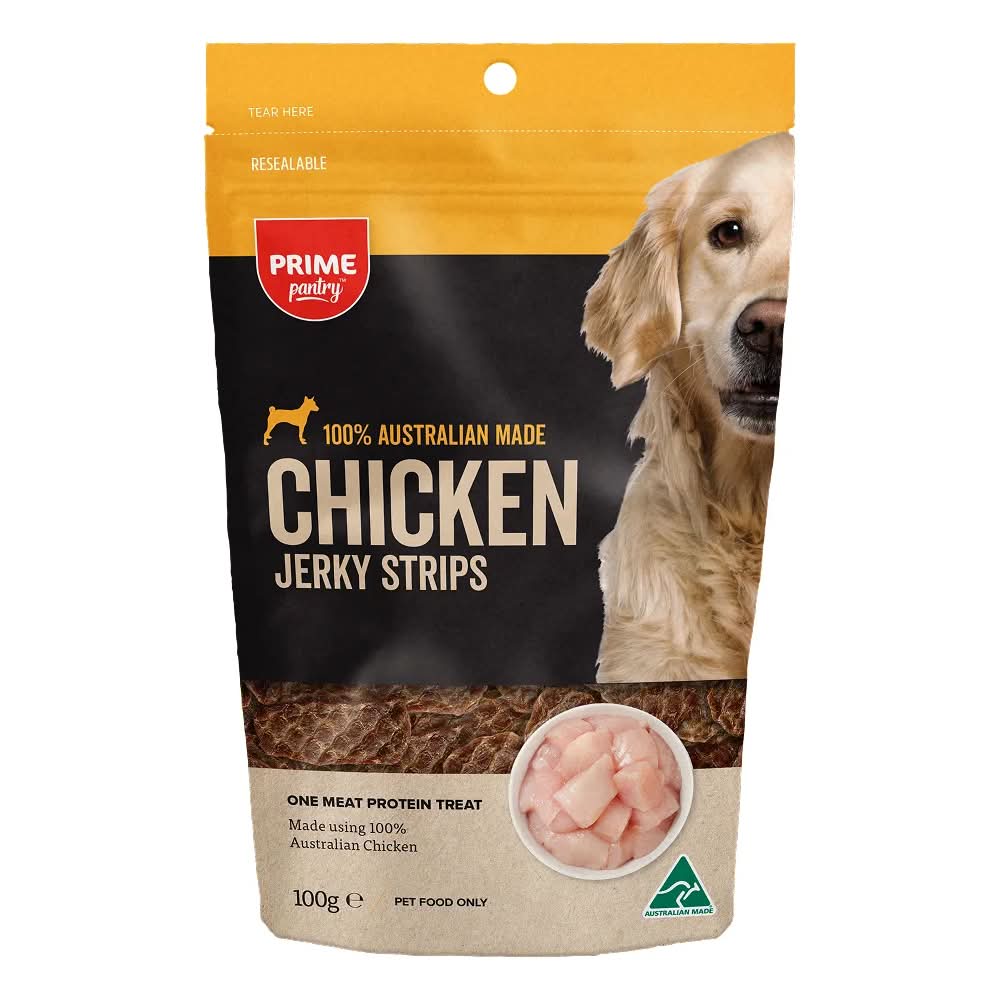
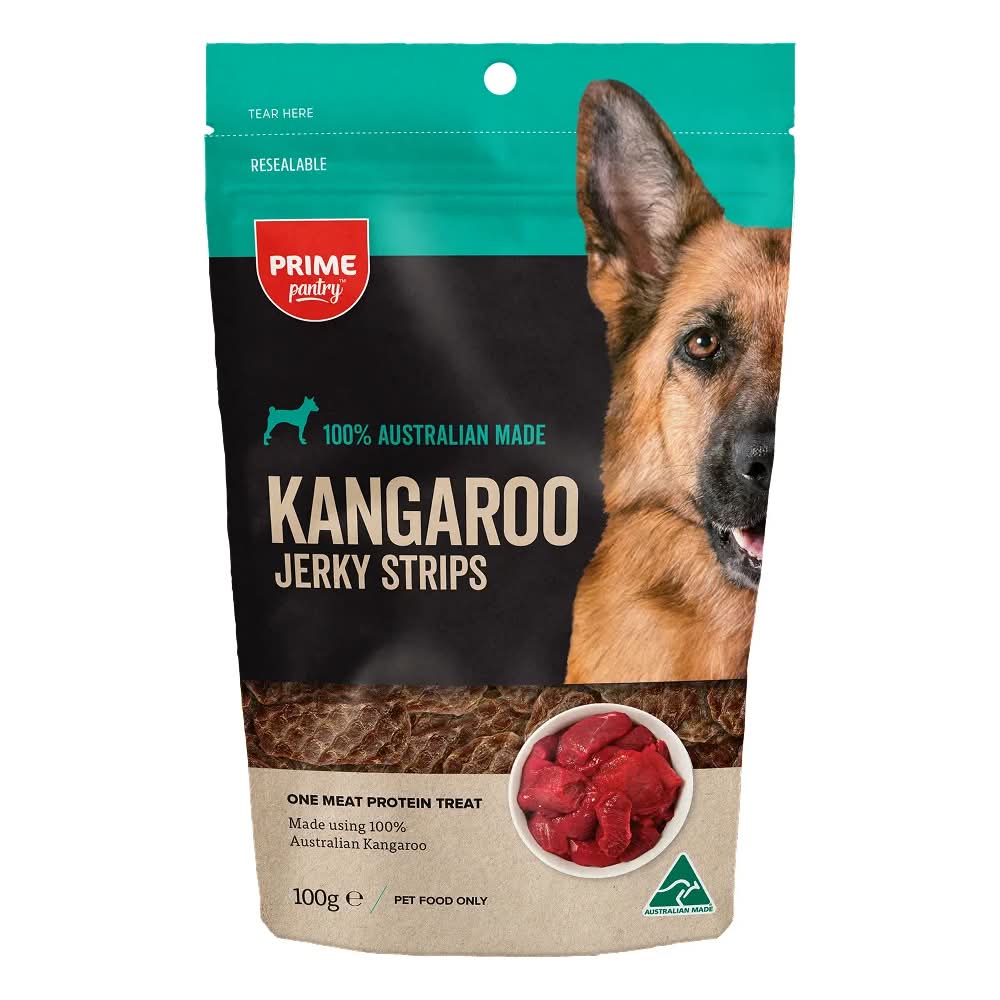
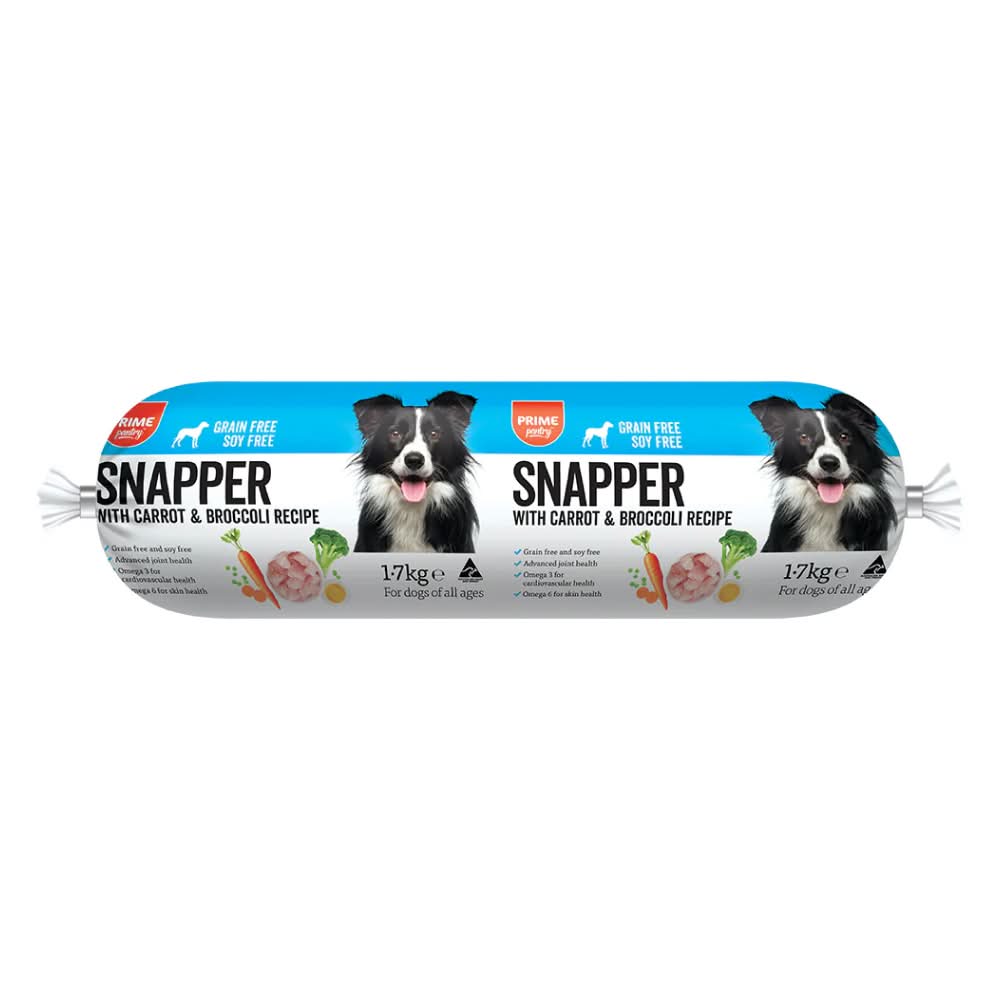
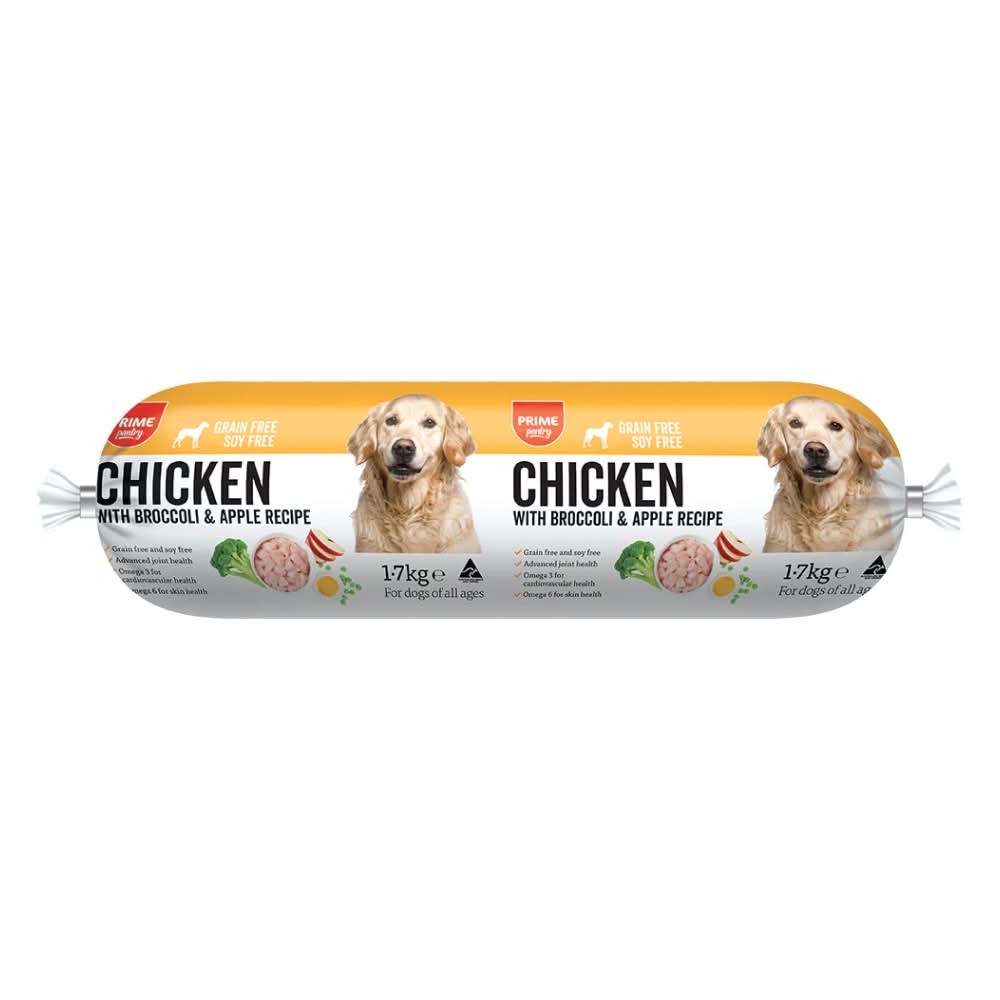
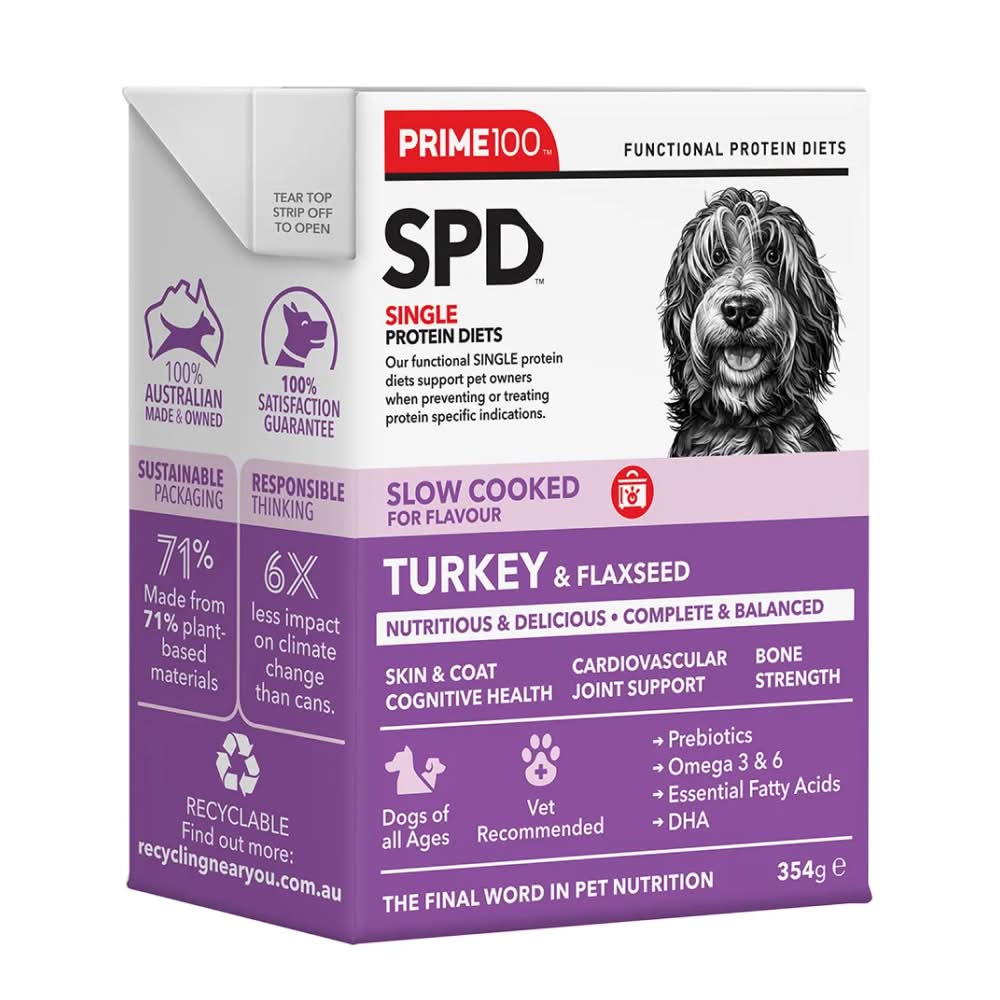
Prime100 is a Melbourne based pet nutrition brand specialising in functional and limited ingredient diets for dogs.
Their product range features single protein rolls, air dried meals, and slow cooked options designed to manage food sensitivities and allergies. Every recipe utilises novel Australian proteins like kangaroo and crocodile alongside functional ingredients to support digestive and skin health.
The brand was recently acquired by Colgate Palmolive through its Hills Pet Nutrition division to enhance their specialist healthcare offerings. This partnership ensures that their premium formulations benefit from expanded global research while maintaining local manufacturing standards.
Parent Company
Origin
Category
Yes, dogs can have apple—with some caveats. While plain, sliced apple flesh is generally safe and healthy for dogs, some parts of the fruit aren’t, including:
Fresh apple slices without the seeds or core are the best option. They’re low in fat and calories and a good source of fibre and vitamins.
Be sure to serve in moderation, as too much of any fruit can cause an upset gut.
Yes, apple is good for dogs when served in moderation. Here are some benefits of adding apple to your dog’s diet:
It’s low in fat and calories. Apples make a great low-calorie treat. With minimal fat and natural sweetness, they’re a healthy alternative to processed snacks—especially for dogs watching their weight.
It’s high in fibre. The fibre in apples supports healthy digestion and helps regulate your dog’s bowel movements. Just don’t overdo it—too much fruit can lead to an upset stomach.
It contains beneficial vitamins. Apples are a natural source of vitamins A and C, which support immune function, skin health, and overall vitality. Vitamin C is especially important for maintaining immune health, reducing inflammation, and supporting your dog’s overall wellness. These antioxidants may also help reduce inflammation and promote healthy ageing.
It helps keep them hydrated. Apples have a high water content, making them a refreshing snack—especially in warmer months.
Overall, apples offer a range of health benefits and nutritional benefits for dogs, supporting their well-being in multiple ways.
But what about the risks? Is apple bad for dogs? Apples aren’t bad for dogs when served correctly—but there are a few things to watch out for:
Cores can be a choking hazard. The tough, fibrous apple core can be difficult to chew and may cause choking or blockages, especially in smaller dogs. Always slice the apple and discard the core.
Too much apple can upset their stomach. While apples are high in fibre and natural sugars, feeding too much can upset your dog's stomach and digestive system, leading to loose stools or digestive discomfort. Excessive fibre or apple skin may also cause indigestion.
Yes, dogs can eat apple cores—but with caution. Despite myths online, the tiny amount of cyanide in apple seeds is unlikely to harm your dog unless consumed in very large quantities.
According to Australian Vet Dr. Andrew Spanner, a medium dog would need to chew the seeds from around 200 apples to reach a toxic dose.
Every plant-based food contains toxins at some level. Below the harmful threshold, these are just things to keep your dog’s liver busy. No effect, no harm. Our livers don’t get enough credit for the work they do.
Dr Andrew Spanner BVSc(Hons), MVetStud (https://www.walkervillevet.com.au/blog/are-apple-cores-poisonous-to-dogs/)
The bigger concern is the choking risk. Apple cores can be tough and fibrous, especially for small dogs. For safety, it’s best to remove the core before offering apples as a treat.
Apple should be offered as an occasional treat—not a daily staple in your dog’s diet.
As a rule of thumb, treats should make up no more than 10% of your dog’s daily calories. Always serve apples in small portions to avoid digestive issues and ensure your dog maintains a healthy weight.
The remaining 90% should come from a complete and balanced diet that meets their nutritional needs.
Apples can be a healthy and refreshing treat for dogs—but only if prepared properly. Here are some safe feeding tips to keep in mind when offering apple to your dog:
Slice the apple into bite-sized pieces. Cut the apple into small, manageable apple slices to make it easier for your dog to chew and digest.
Skip the skin if your dog has a sensitive stomach. While apple skin is safe for most dogs, apple peels can get stuck in their teeth or increase fibre intake, potentially causing digestive issues or discomfort.
Serve apple plain—no sugar or seasoning. Avoid giving your dog apples coated in sugar, cinnamon, peanut butter, or any other toppings. Stick to plain, fresh apple to avoid digestive issues or harmful additives. Always choose sugar free and unsweetened options when making or buying apple-based treats.
Eating apples in moderation, prepared safely, can be a healthy addition to your dog's diet.
If your dog ate a large amount of apple, especially with the core or seeds, keep a close eye on them for any signs of discomfort or distress. While apple flesh is safe in moderation, too much can cause digestive issues, and the seeds contain compounds that can be harmful in large quantities.
Watch for these symptoms:
If your dog is showing any of these symptoms, contact your vet for advice. They may suggest monitoring at home or bringing your dog in for evaluation, depending on the severity.
Built for dog owners who want better information, better products, and better experiences.
Comments
0 comments
Login or Register to Join the Conversation