


.png)




Working Dog Adult Chicken Dry Food

Overview
CopRice Working Dog Adult Chicken uses Australian chicken meat as the primary ingredient in a high-protein, high-fat formula designed for adult working dogs and very active breeds. It offers a poultry alternative for dogs that prefer chicken over beef or for owners rotating between protein sources.
The recipe includes rice, cereals and rice bran alongside glucosamine, yucca schidigera extract, and omega 3, 6 and 9 fatty acids. It contains a full vitamin and mineral blend with no artificial colours or flavours. Feeding guidelines are divided by moderate and heavy workload levels, making it easy to adjust portions based on daily output. 100% complete and balanced, manufactured in regional Australia by the Ricegrowers Limited group.
Nutritional Analysis
A nutritional analysis shows how a dog food is made up of its main nutrients, such as protein, fat, fibre and other components. This helps you understand where the food’s nutrition and energy come from, and how the formula is balanced.
Ingredients
Chicken Meat with By-Products, Rice, Cereals, Rice Bran, Wheat Bran, Animal Fat, Cereal Protein, Vitamins, Minerals, Amino Acids, Salt, Choline Chloride, Yucca Schidigera Extract, Vegetables, Calcium Propionate, Natural Antioxidants.
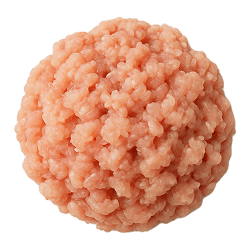
Chicken Meat
Chicken Meat
Gallus Gallus Domesticus Meat, Poultry Meat, Broiler Meat, Fowl Meat
Origin
Role
Functional Benefits
Summary
Chicken meat is a high-quality animal-derived ingredient sourced from the muscle tissue of chickens. It serves as a rich source of essential proteins and amino acids, supporting muscle development and overall health in pets. In pet food, chicken meat is used in its natural form, providing highly digestible nutrients and palatability, making it a favoured protein choice in premium formulations.
Manufacturer Benefits
Chicken meat is included as a high-quality, animal-based protein source to support muscle development and overall health in pets. Its presence also enhances palatability and serves as a label-friendly ingredient appealing to consumers seeking recognisable protein sources.
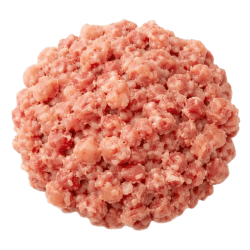
Chicken By-Products
Chicken By-Products
Chicken Offal, Gallus Gallus Domesticus By-Products, Poultry By-Products, Poultry Offal
Origin
Role
Functional Benefits
Summary
Chicken by-products are animal-derived ingredients sourced from the non-rendered, clean parts of a chicken, such as organs and tissues, excluding feathers, heads, feet, and intestines. They provide a rich source of protein, essential amino acids, and micronutrients, supporting overall pet health. Chicken by-products are used in their natural form, ensuring optimal nutrient availability and digestibility for pets.
Manufacturer Benefits
Chicken by-products are included as a cost-effective protein and nutrient source, utilising parts of the chicken not typically consumed by humans. Their use allows manufacturers to optimise nutritional value while maintaining competitive pricing.
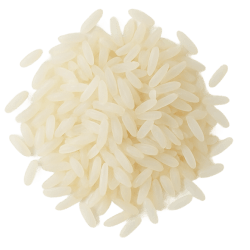
Rice
Rice
Oryza Sativa, Paddy, Oryza Sativa Grain, Oryza Spp.
Origin
Role
Functional Benefits
Summary
Rice is a cereal grain derived from the seeds of the Oryza sativa plant, making it a plant-based ingredient. It serves primarily as a highly digestible source of carbohydrates, providing energy for pets. In pet food, rice is typically used in its natural, whole or milled form, rather than as a processed extract, to optimise digestibility and nutrient availability.
Manufacturer Benefits
Rice is included as a cost-effective carbohydrate source that provides energy and helps create a desirable texture in pet food. It is also easily digestible, making it suitable for sensitive digestive systems and appealing for marketing as a familiar, label-friendly ingredient.

Cereals
Cereals
Gramineae, Poaceae, Cereal Grains, Poaceae Spp.
Origin
Role
Functional Benefits
Summary
Cereals are plant-derived ingredients sourced from the edible seeds of cultivated grasses such as wheat, rice, barley, and oats. They are primarily included in pet food as a source of carbohydrates, providing energy, as well as dietary fibre and some essential nutrients. Cereals are used in their natural, whole or milled form, rather than as isolated compounds, to optimise digestibility and nutritional value.
Manufacturer Benefits
Cereals are included as a cost-effective carbohydrate source to provide energy and bulk to pet food formulations. They also help optimise manufacturing efficiency and contribute to product texture.

Rice Bran
Rice Bran
Rice Bran Oil Cake, Oryza Sativa Bran, Oryza Spp. Bran, Rice Husk Bran
Origin
Role
Functional Benefits
Summary
Rice bran is the outer layer of the rice grain, derived from the plant Oryza sativa. It is primarily included in pet food for its rich dietary fibre content and as a source of essential fatty acids, vitamins, and antioxidants. Rice bran is used in its natural form, providing functional benefits for digestive health and supporting overall nutrient balance in premium pet diets.
Manufacturer Benefits
Rice bran is included as a cost-effective carbohydrate and fibre source, contributing to product bulk and energy content. It may also be used to optimise manufacturing costs while providing a label-friendly ingredient perceived as nutritious by consumers.

Wheat Bran
Wheat Bran
Bran, Wheat Outer Layer, Triticum Aestivum Bran, Wheat Husk
Origin
Role
Functional Benefits
Summary
Wheat bran is the outer layer of the wheat kernel, derived from the plant Triticum aestivum. It is primarily included in pet food as a source of dietary fibre, supporting digestive health and regular bowel movements. Wheat bran is used in its natural form, providing insoluble fibre, vitamins, and minerals to help optimise gastrointestinal function and overall wellbeing in pets.
Manufacturer Benefits
Wheat bran is included as a cost-effective fibre source to improve stool quality and promote digestive health. It also serves as a bulk-adding agent, helping to optimise product texture and reduce overall formulation costs.
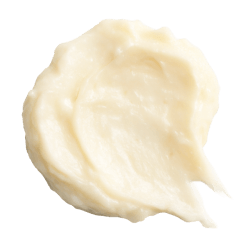
Animal Fat
Animal Fat
Rendered Fat, Tallow, Lard, E471
Origin
Role
Functional Benefits
Summary
Animal fat is a lipid ingredient derived from the tissue of animals, commonly sourced from poultry, beef, or lamb. It serves as a concentrated source of energy and enhances palatability in pet foods. Animal fat is used in its rendered form, not as raw tissue, to ensure safety, stability, and optimal absorption of essential fatty acids for pets’ health and wellbeing.
Manufacturer Benefits
Animal fat is included as a cost-effective energy source and to enhance palatability, making the product more appealing to pets. It also contributes to the texture and mouthfeel of the final product.
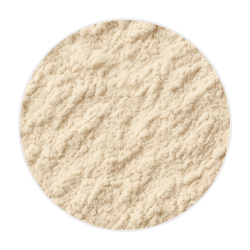
Cereal Protein
Cereal Protein
Cereal Grain Protein, Triticum Aestivum Protein, Hordeum Vulgare Protein, Oryza Sativa Protein
Origin
Role
Functional Benefits
Summary
Cereal protein is a plant-derived ingredient sourced from grains such as wheat, rice, or maize. It serves as a concentrated source of protein, supporting muscle maintenance and overall health in pets. Rather than being used in its whole grain form, cereal protein is typically extracted and utilised as an isolated protein fraction to optimise digestibility and nutritional value in pet food formulations.
Manufacturer Benefits
Cereal protein is included as a cost-effective protein source to help meet required protein levels while managing overall formulation costs. It also contributes to product texture and bulk, supporting processing efficiency.

Vitamins
Vitamins
Micronutrients, Essential Micronutrients, Vital Nutrients, Accessory Food Factors
Origin
Role
Functional Benefits
Summary
Vitamins are organic compounds derived from both plant and animal sources, essential for numerous metabolic and physiological functions in pets. Their primary purpose is to support immune health, vision, bone development, and cellular processes. In pet food, vitamins are not used in their natural, raw forms but are instead incorporated as stabilised compounds or premixes to ensure safety, stability, and optimal bioavailability.
Manufacturer Benefits
Vitamins are included to ensure nutritional adequacy and meet regulatory requirements for complete and balanced pet food. They may also be added to compensate for nutrient losses during processing and storage.
Minerals
Minerals
Dietary Minerals, Inorganic Nutrients, Essential Minerals, Bulk Elements
Origin
Role
Functional Benefits
Summary
Minerals are essential inorganic nutrients derived from the earth, not produced by animals or plants. They play a critical role in supporting various physiological functions, such as bone development, nerve transmission, and enzyme activity. In pet food, minerals are not used in their natural raw or metallic state; instead, they are incorporated as specific compounds (such as sulphates or chelates) to optimise safety and bioavailability.
Manufacturer Benefits
Minerals are included to meet essential nutritional requirements for pets, supporting overall health and proper bodily functions. They are often added in precise amounts to ensure the product complies with regulatory standards and nutrient profiles.
Amino Acids
Amino Acids
L-Amino Acids, α-Amino Acids, Proteinogenic Amino Acids, E620-E640
Origin
Role
Functional Benefits
Summary
Amino acids are organic compounds derived from both animal and plant sources, serving as the fundamental building blocks of proteins. Their primary nutritional benefit is to support muscle development, tissue repair, and overall metabolic function in pets. In pet food, amino acids are not used in their isolated natural form but are typically included as specific, bioavailable compounds to optimise absorption and efficacy.
Manufacturer Benefits
Amino acids are included to ensure the product meets essential protein and nutrient requirements for pets, supporting overall health and development. They may also be added to optimise the amino acid profile of the food, compensating for any deficiencies in the primary protein sources.
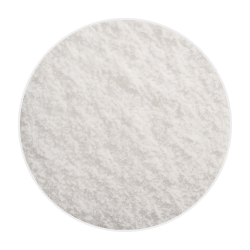
Salt
Salt
Sodium Chloride, NaCl, Table Salt, E535
Origin
Role
Functional Benefits
Summary
Salt is a mineral ingredient derived from the combination of sodium and chloride, typically sourced from natural deposits or seawater. It is primarily included in pet food to support electrolyte balance, nerve function, and hydration. Salt is not used in its raw mineral form but is utilised as sodium chloride, a purified compound, to ensure safety, palatability, and optimal absorption in pets.
Manufacturer Benefits
Salt is included as a palatability enhancer to improve taste and encourage consumption, and also functions as a preservative to help extend product shelf life. Its use allows manufacturers to optimise flavour while maintaining product stability.

Choline Chloride
Choline Chloride
Trimethylethanolamine Chloride, Choline Monochloride, E1001, 2-Hydroxy-N,N,N-Trimethylethanaminium Chloride
Origin
Role
Functional Benefits
Summary
Choline chloride is a synthetic compound derived from choline, an essential nutrient typically sourced from plant or animal origins. It is primarily included in pet food to support healthy brain function, liver metabolism, and cellular structure. Choline is not used in its natural state; instead, it is utilised as choline chloride to ensure stability, safety, and optimal absorption in pet diets.
Manufacturer Benefits
Choline chloride is included as an essential nutrient to support normal liver function and brain health in pets. It is a cost-effective way to meet regulatory requirements for choline content in complete and balanced pet foods.

Yucca Schidigera Extract
Yucca Schidigera Extract
Yucca Extract, Yucca schidigera, Yucca Spp., Cassava Extract
Origin
Role
Functional Benefits
Summary
Yucca Schidigera Extract is a plant-derived ingredient sourced from the Yucca schidigera plant native to arid regions of North America. It is primarily included in pet food to help reduce stool odour by binding ammonia and other waste gases. Rather than using the whole plant, a concentrated extract is utilised to optimise its functional benefits and ensure consistent efficacy.
Manufacturer Benefits
Yucca Schidigera Extract is included to reduce stool odour by binding ammonia and other waste gases, thereby improving the perceived cleanliness of the pet and its environment. It also serves as a label-friendly ingredient that appeals to consumers seeking natural additives.
Vegetables
Vegetables
Plant Vegetables, Edible Plants, Edible Plant Matter, Edible Plant Material
Origin
Role
Functional Benefits
Summary
Vegetables are plant-derived ingredients sourced from various edible parts such as roots, stems, leaves, and fruits. They are included in pet food primarily to provide dietary fibre, essential vitamins, minerals, and phytonutrients that support overall health and digestion. Vegetables are typically used in their natural, whole form, ensuring pets receive the full spectrum of their nutritional benefits.
Manufacturer Benefits
Vegetables are included as a source of vitamins, minerals, and dietary fibre, supporting nutritional balance and digestive health. They also serve as a label-friendly ingredient, appealing to consumers seeking natural and recognisable components in pet food.
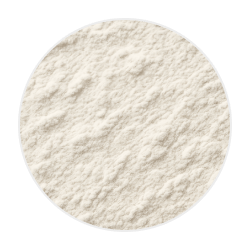
Calcium Propionate
Calcium Propionate
E282, Propanoic Acid Calcium Salt, Calcium Dipropionate, INS 282
Origin
Role
Functional Benefits
Summary
Calcium propionate is a compound derived from calcium and propionic acid, categorised as a mineral-based preservative. It is primarily included in pet food to inhibit mould and bacterial growth, thereby extending shelf life and maintaining product safety. Calcium propionate is not used in its natural mineral state; instead, it is utilised as a synthesised salt to ensure effective preservation and safe consumption.
Manufacturer Benefits
Calcium propionate is included as a preservative to inhibit mould and bacterial growth, thereby extending the shelf life of the product. Its use helps maintain product safety and stability during storage and distribution.
Natural Antioxidant
Natural Antioxidant
Tocopherol, Mixed Tocopherols, E306, Rosemary Extract
Origin
Role
Functional Benefits
Summary
Natural antioxidant refers to a substance, typically derived from plant sources, that helps protect pet food from oxidative damage and spoilage. Its primary function is to preserve freshness and extend shelf life by inhibiting the oxidation of fats and oils. In pet food, natural antioxidants are used in their natural form, ensuring safety and effective absorption without the need for chemical modification.
Manufacturer Benefits
Natural antioxidants are included to help preserve the freshness and stability of pet food by slowing the oxidation of fats and oils, thereby extending shelf life. They also serve as a label-friendly alternative to synthetic preservatives, appealing to consumers seeking more natural ingredients.
Ingredients Splitting
Score Card
Every product is assessed using the Dog Directory Integrity Framework, giving dog owners a clear and trustworthy way to compare products. This ensures each review reflects overall quality and formulation integrity, not just marketing claims.
- /40
- /30
- /15
- /10
- /5
- Overall ScoreScore Info
As a pet owner, you naturally want the best for your dog. From regular vet visits to nutritious meals, ensuring your furry friend is healthy and happy is always top of mind. But beyond food and exercise, supplements are becoming an increasingly popular way to support your dog’s overall well-being. In this comprehensive guide, we’ll dive into the world of dog supplements, explaining what they are, why they matter, and how to choose the right ones for your pup.
0/100
/100



ABOUT
Brand
Parent Company
Manufactured

Policy Coverage
Category
Life Stage
Breed Size
Feeding Type
Processing Level
PRODUCT TAGS
Frequently Asked Questions
What Are Dog Supplements?
Dog supplements are products specifically formulated to complement your pet’s diet. They provide essential vitamins, minerals, and other nutrients that may be missing from their food or needed in greater amounts due to specific health concerns. While most commercial dog foods are designed to be nutritionally complete, supplements can address particular health issues, support aging joints, boost immunity, and much more.
Supplements for dogs come in various forms, including pills, powders, chewables, and liquids, making it easier to incorporate them into your dog’s daily routine.
Why Do Dogs Need Supplements?
Dog supplements are products specifically formulated to complement your pet’s diet. They provide essential vitamins, minerals, and other nutrients that may be missing from their food or needed in greater amounts due to specific health concerns. While most commercial dog foods are designed to be nutritionally complete, supplements can address particular health issues, support aging joints, boost immunity, and much more.
Supplements for dogs come in various forms, including pills, powders, chewables, and liquids, making it easier to incorporate them into your dog’s daily routine.


About the Brand
CopRice
CopRice is an Australian manufacturer of high performance dog food tailored for working breeds and active family pets.
The range features rice based formulas designed to provide sustained energy and support overall health for dogs across Australia.


Comments
0 comments
Login or Register to Join the Conversation